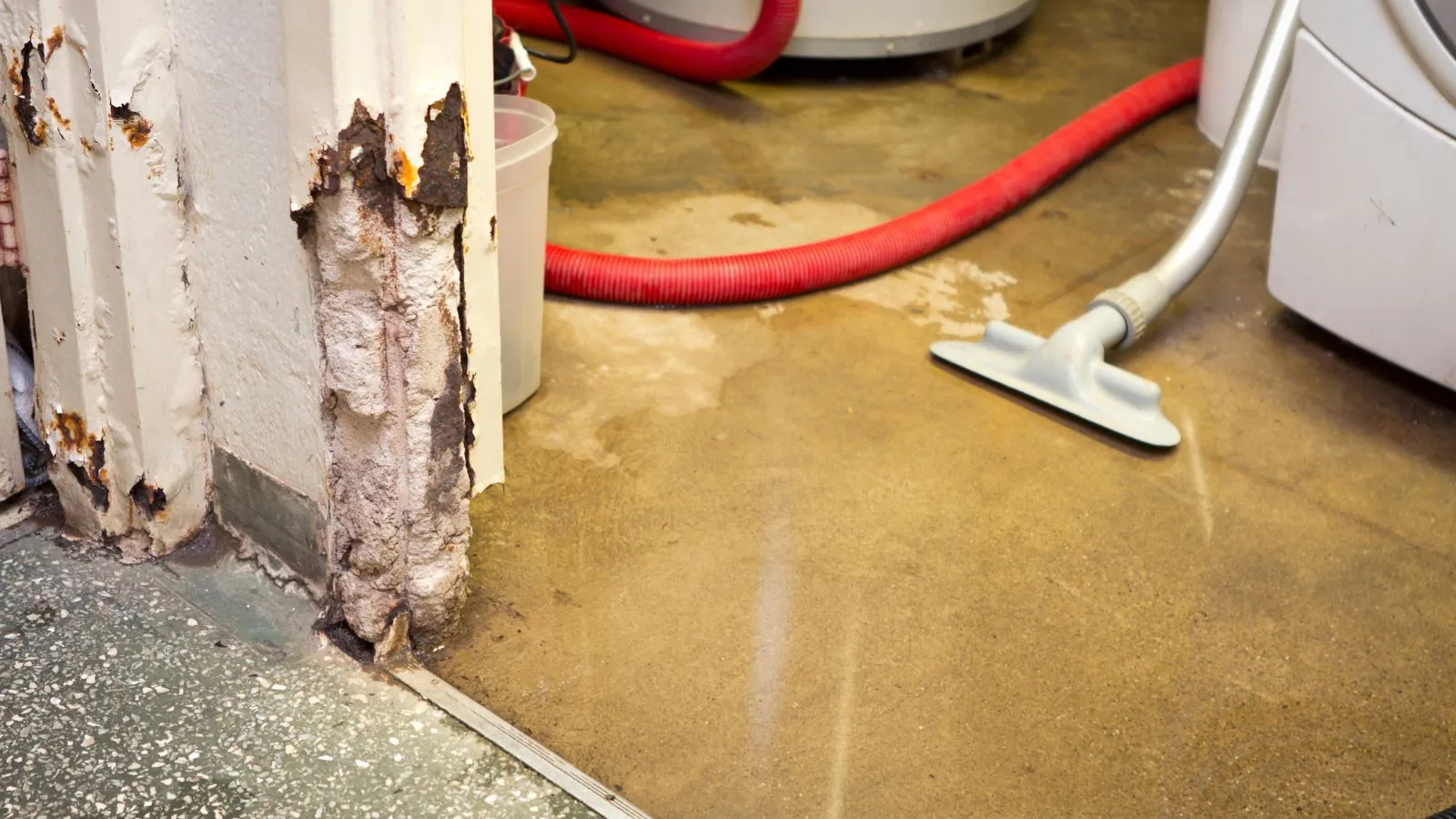
Emergency Water Extraction in Dartmouth, MA
Standing water in your Dartmouth home or business is an emergency, and the line is open 24/7. Call now and start the pump-out while help is arranged.
When standing water is an emergency
Water that sits on a floor does not stay on the floor. Within a few hours it wicks into baseboards, soaks the bottom of drywall and drops through floor seams. This page covers emergency water extraction in Dartmouth, MA, and the 24/7 line at (508) 286-8971 is open nights, weekends and holidays.
While you wait for a call back, stop the source if you can reach it. Shut the main water valve, lift furniture legs and loose belongings off the wet surface, and switch off power to wet rooms only if the panel is dry and safe to reach. Keep children and pets out of the water.
If the water is touching outlets, appliances plugged in at floor level or a breaker panel, stay out. Call the utility or 911 for any electrical or gas risk before you call us.
How emergency water extraction works
Extraction follows the same order on nearly every loss. The details change with the water category, the flooring and how long the water has been there. The industry reference for this work is the ANSI/IICRC S500 standard for professional water damage restoration.
1Find the source and the depth
A technician confirms the leak is stopped, checks where the water has traveled and measures how deep it stands. A burst supply line and a rising groundwater problem call for very different plans.
2Pump and vacuum the bulk water
Submersible pumps clear anything over an inch or two. Truck-mounted or portable extraction units then pull water out of carpet, pad and low spots that pumps cannot reach.
3Pull out what holds moisture
Soaked carpet pad, loose insulation and the lowest strip of wet drywall often come out the same day. Leaving them in place keeps the structure wet for days.
4Hand off to drying
Once the standing water is gone, the job moves to air movers, dehumidifiers and moisture readings. Extraction alone never finishes a water loss, as the structural drying page explains.
Water removal by situation
The table shows how the first hours differ by situation. A basement water damage call and a kitchen floor call share a method but not a toolkit.
| Where the water is | Typical tools | What usually follows |
|---|---|---|
| Inch of water on finished floors | Portable extractors, wet vacuums | Pad removal, then drying with air movers |
| Several inches in a basement | Submersible pumps, then extractors | Wall and slab drying, damaged material removal |
| Water soaked into carpet | Weighted extraction wand | Pad disposal, carpet lifted or dried in place |
| Standing water in a crawl space | Small submersible pump, hose run outside | Source check, moisture readings of joists and subfloor |
Why Dartmouth water is stubborn
Dartmouth is the largest town on Buzzards Bay by area, with about 20 miles of shoreline and several tidal rivers and brooks. The town master plan names Padanaram Village, Russells Mills, Smith Neck Road and the Buttonwood Brook area as places where flooding already causes trouble. A lower-level room in those areas can fill from groundwater or a blocked culvert, not only from a pipe.
That matters for extraction because groundwater keeps coming back until the cause eases. Pumping a flooded basement during a coastal storm can mean the water level outside is higher than the floor inside, so a plan has to account for what is feeding the water. If your home sits in a mapped flood zone, check the FEMA flood map for your address and call your homeowners agent about flood coverage.
What drives the cost of water extraction
No honest price comes from a web page, because the water category and the square footage decide it. These are the factors that move the number.
Water category
Clean supply-line water is the simplest case. Gray water from appliances and black water from sewage or floodwater add safety steps and disposal.
Area affected
Extraction time scales with the square footage of wet flooring and the volume standing on it.
Materials involved
Carpet, pad, hardwood and drywall each absorb differently and have different rules for what can be saved.
Drying days and equipment
After extraction, the number of air movers and dehumidifiers and the days they run set much of the total.
Rebuild scope
Whatever must be cut out and replaced afterward is separate from the extraction itself.
Insurance is a separate question. Sudden and accidental water damage, such as a failed supply line, is often covered by a homeowners policy, while flood is usually excluded. Check your policy, and report a loss to your insurer promptly. Want your real number? Call (508) 286-8971.
Water on the floor right now?
Call the 24/7 line. We explain the scope and the price before work starts, and we respond the same day when we can.
Water extraction questions from Dartmouth homeowners
Yes. The line at (508) 286-8971 answers 24/7, including nights, weekends and holidays. Call first, then follow the safe steps on this page while dispatch is arranged. We respond the same day when we can, and we do not promise a fixed arrival time.
As soon as it is safe. Carpet pad and drywall start absorbing within hours, and mold needs moisture to grow, so the first day matters most. Acting early often saves flooring that would otherwise be thrown away.
For a small clean spill, yes. For anything deeper than a thin film, electrical risk and the water category matter, and a household vacuum cannot pull water from a pad or subfloor. If sewage or floodwater is involved, do not do it yourself.
No. Extraction removes the standing water. Restoration also covers drying, moisture checks and repairs. Most jobs need all three, in that order.
Often, when the cause is sudden and accidental, such as a burst pipe or a failed appliance line. Flood damage is usually excluded from a standard homeowners policy. Check your policy and report the loss quickly.
Yes. Pumping is the first step, and drying equipment and moisture readings follow so the walls and floor are dry before anything is rebuilt.