Emergency Ceiling Water Damage Repair in Dartmouth, MA
A dripping or sagging ceiling can drop without warning. Call the 24/7 line, stay out from under it, and we handle ceiling and roof-leak water damage in Dartmouth.
A sagging ceiling is an emergency
A ceiling holds water the way a sponge holds it, until the drywall gives way. A bulge, a drip or a spreading brown stain means water is trapped above and could come down at once. The line at (508) 286-8971 is open 24/7 for ceiling leaks, including after storms.
Move people and furniture out from under the stain. Place a bucket under any drip. If the ceiling is bulging, a small hole made with a screwdriver can let trapped water drain in a controlled way, but only if you can stand clear of the area and the room has no light fixture in the wet spot. Turn off power to that room if the panel is dry.
Never stand under a sagging section. Photograph it first for your insurer.
Reading the stain: roof leak, pipe or condensation
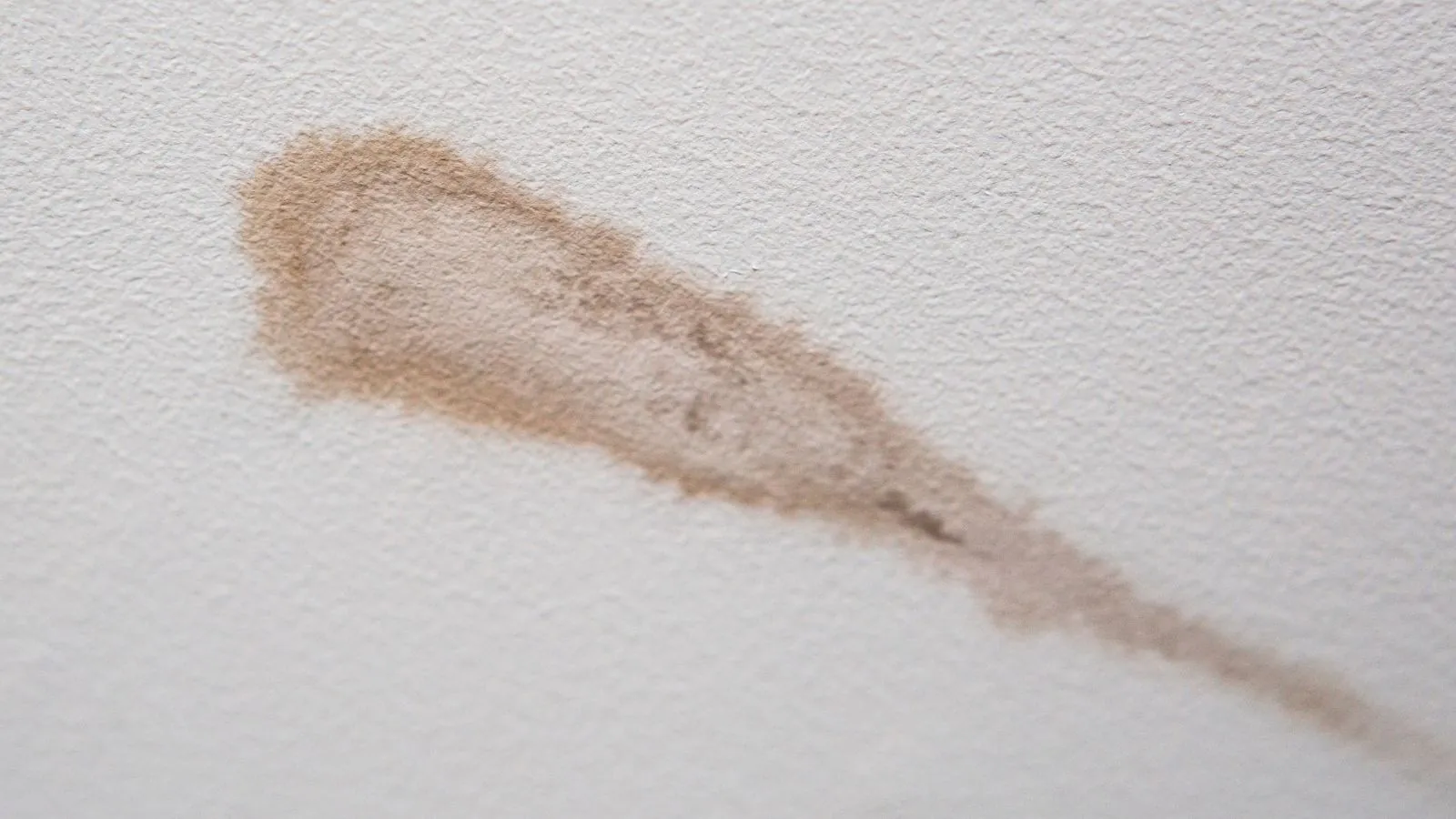
A ceiling stain has three common causes. A roof leak shows up after rain or snowmelt and often stains in rings. A plumbing leak from a bathroom above can drip steadily in any weather, and condensation from an HVAC line or an attic with poor airflow shows up in cold weather.
Brown stains that grow after storms point to the roof. Stains under a bathroom or kitchen point to a supply or drain line. Rust-tinted or very dark stains can mean the leak has run for a while, which raises the chance of hidden wet insulation.
Roof leaks and what they do inside
Many Dartmouth homes carry older asphalt shingle roofs under coastal wind and winter ice. Ice dams along the eaves are a common winter way for water to get under shingles and into the ceiling. After a nor'easter, wind-driven rain can find nail pops, lifted flashing and chimney edges.
We handle the interior damage: removing wet drywall and insulation and drying the framing. The roof itself needs a roofer. Insurance often treats a sudden storm opening differently from long-term wear, so ask your carrier how they view the cause. A clear record of the interior damage helps that conversation.
Ask the roofer to temporarily tarp the opening the same day if rain is expected. Water that keeps entering undoes any drying done below.
How ceiling water damage repair works
A clear order of work prevents repainting over damp material. Here is the usual sequence.
1Stop the source
A leaking pipe is shut off, and a roof leak is tarped or sealed so no new water enters.
2Open and drain
Wet drywall is cut back to dry material and trapped water is released. Wet insulation above comes out.
3Dry the cavity
Air movers and dehumidifiers dry the joists and surrounding drywall. Moisture readings confirm the result.
4Prepare for repair
Once dry, the area is ready for new drywall, finishing and paint. Stain-blocking primer helps keep old stains from bleeding through.
What to do before help arrives
- Stay out from under a sagging or bulging ceiling.
- Place a bucket under drips and turn off power to the room if the panel is dry.
- Do not poke the bulge unless you are clear of the area and can drain it safely.
- Photograph the stain and the room above it.
How a wet ceiling is judged
Wet ceilings are assessed under the ANSI/IICRC S500 standard for water damage restoration, including whether the water category and the time wet allow drying in place.
A ceiling that has sagged is usually removed for safety, which the same standard supports.
What drives ceiling repair cost
No price is useful without seeing the ceiling. These factors set it.
Water category
Roof rain and clean supply water differ from a drain line leak.
Area affected
A single stain is much simpler than a ceiling run that crosses rooms.
Materials involved
Drywall, plaster, insulation and any ceiling finish such as texture.
Drying days and equipment
Dense insulation and attic framing slow drying.
Rebuild scope
New drywall, texture matching and paint are a repair cost beyond drying.
Sudden and accidental leaks are often covered by a homeowners policy, while ongoing neglect is usually not. Check your policy and report quickly. Want your real number? Call (508) 286-8971.
Ceiling dripping or sagging?
Call the 24/7 line now. We respond the same day when we can and explain the scope and price first.
Ceiling water damage questions in Dartmouth
Yes. Call (508) 286-8971 24/7. We respond the same day when we can and make no promise of a fixed arrival time.
Only if you can stand clear and there is no electrical fixture in the wet area. A small hole lets trapped water drain and can prevent a collapse. When unsure, leave the room and call.
We handle the interior water damage. A roofer repairs the roof. We coordinate by documenting the damage so the repair order is clear.
Not safely. If the material is still damp, paint traps moisture and the stain returns. Dry first, then repair and prime.
Roof leaks follow rain or snowmelt and the stain grows then. Pipe leaks drip in any weather, often under a bathroom or kitchen.
Often, when the cause is sudden and accidental. Ice dam damage is generally covered for the damaged area. Check your policy.