Water Damage Restoration vs Remediation: What Is the Difference? in Dartmouth, MA
How the words restoration, mitigation and remediation are used in the industry, and which one your home may need.
Why the words confuse people
Contractors, insurers and websites use restoration, remediation and mitigation in different ways. Sometimes they mean the same thing and sometimes they do not. The words matter less than what the company will actually do at your house.
This guide explains the common usage so you can read a scope with confidence.
The terms side by side
Usage varies by company, but these meanings are common.
| Term | Common meaning | Typical work |
|---|---|---|
| Mitigation | Stopping further damage | Water extraction, moving contents, emergency drying |
| Restoration | Returning the property to its pre-loss condition | Drying, cleaning, repairs and rebuilding |
| Remediation | Removing or treating a contaminant | Mold removal, sewage cleanup, containment |
| Reconstruction | Rebuilding finished surfaces | Drywall, flooring, paint, cabinets |
Mitigation comes first
Mitigation is the quick work that limits the damage. It includes shutting off water, extracting standing water, moving furniture and starting the drying. The water extraction page explains the tools.
Insurers expect you to take reasonable steps to limit damage. Fast mitigation often decides how big the bill becomes.
Restoration covers the broader path
Restoration is a wider word. It usually includes mitigation, drying to goals, cleaning and, in many companies, repairs that bring the property back to normal. Some companies stop at drying and hand off the rebuild.
Ask whether the scope includes rebuilding or ends at drying. We dry, document and describe the work, and you may use any contractor you trust for repairs.
Remediation deals with contaminants
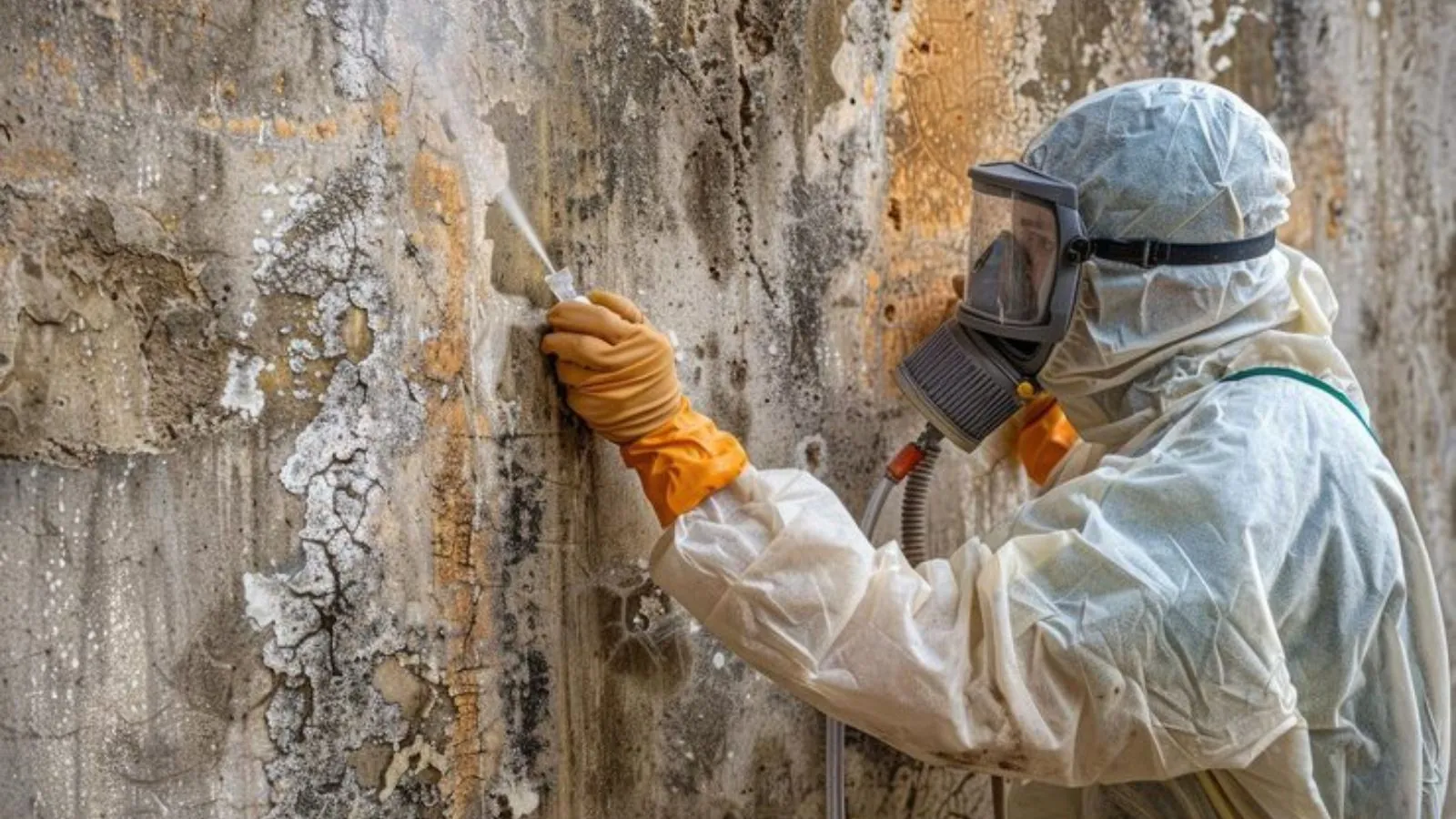
Remediation usually means removing a contaminant such as mold or sewage. It involves containment, protective gear and disposal. The ANSI/IICRC S520 standard covers mold remediation, while S500 covers water damage restoration.
Our mold remediation and sewage backup cleanup pages describe those jobs.
How the pieces fit in a real job
A burst pipe may need mitigation and drying only. A sewage backup needs remediation first, then drying and rebuild. A leak that sat for weeks may need drying, mold remediation and reconstruction in that order.
Reading a scope with these terms in mind helps you see what is missing.
Which one does your home need?
Clean water caught fast usually needs mitigation and drying. Water that sat for days, or contaminated water, needs more. If mold is already present, remediation is part of the job. Ask the company to explain which category fits.
A reputable company explains the category it sees and the reasons.
What the words mean for price
Mitigation is often priced by equipment and days. Remediation adds labor, containment and disposal. Reconstruction depends on materials and finish. Ask for each part on its own line, so you can compare.
Do not accept one lump sum with no detail. A line-by-line scope helps you spot padding.
What the words mean for insurance
Insurers pay for covered losses, and they use their own terms. Mitigation is often reimbursed under the same claim. Mold coverage may carry a limit. Rebuild coverage depends on the policy.
Massachusetts Division of Insurance guidance says non-flood water damage is common and coverage depends on the policy wording. Ask your agent which parts of the job are covered.
A sample sequence for a burst pipe
Imagine a supply line that bursts in a second-floor bath. First comes mitigation: the main valve is shut, standing water is extracted and wet contents are moved. Then comes drying, with meters tracking floors, walls and the ceiling below.
If drywall must come out, that step comes next, and the rebuild follows after readings reach drying goals. No remediation was needed because the water was clean and caught fast.
A sample sequence for a sewage backup
Now picture a basement drain that backs up. Remediation comes first, with containment, protective gear and removal of porous materials. Hard surfaces are cleaned and treated.
Drying follows, and then reconstruction. This job costs more per square foot because it has extra steps and safety measures.
A sample sequence for old moisture and mold
Consider a wall that leaked for months. The plumber fixes the pipe first. Then remediation removes affected material in containment, the structure is dried, and an independent tester checks the result if a sale or loan is involved.
Reconstruction comes last. Mold needs moisture, so drying is the step that protects the rebuild.
Choosing a company by scope, not by label
A company may call itself a restoration company, a remediation company or a mitigation company. The label tells you little. Ask what the company does, what it leaves to others and how it records its work.
Our flood damage cleanup page shows how a larger job is described from first call to final readings.
Questions to ask using these terms
Ask the company which part of the job is mitigation, which is restoration and which, if any, is remediation. Ask which parts it does itself and which it hands to others. Ask how it will record the work at each stage.
The answers show whether the company has a plan or only a sales pitch. Write them next to the scope.
Why the order of work matters
Doing steps out of order wastes money. Rebuilding over wet framing traps moisture, and painting over active mold hides a problem that will return. Drying and remediation come before any new finish goes on.
Ask the company to confirm the order in writing. It should name the stage at which readings must be dry before the next trade starts.
What to do before you call
- Stop the water source if you can do it safely.
- Stay clear of wet outlets and the panel.
- Do not touch sewage or visible growth without protective gear.
- Take photos and write down the time you found the loss.
Dartmouth housing and the work you may need
SRPEDD reports that about 45 percent of southeastern Massachusetts homes were built before 1960. Older homes have plaster, wood subfloors and masonry that dry slowly, so drying often takes longer than in newer homes.
Dartmouth is coastal, with about 20 miles of shoreline and a high water table in places. Basement water and humidity increase the chance that a wet job turns into a mold job.
Dartmouth Town Hall at 400 Slocum Road can tell you whether a repair needs a permit before the rebuild begins.
Nearby towns
The vocabulary is the same across the region. See water damage restoration in New Bedford and water damage restoration in Mattapoisett for notes on nearby areas.
If a scope uses a word you do not understand, ask the company to explain it in plain language.
Questions Dartmouth homeowners ask
Not always. Restoration is a broad return to normal, while remediation usually means removing a contaminant.
The early work that limits damage, such as extraction and emergency drying.
Some do and some do not. Ask what is in the scope.
ANSI/IICRC S500 for water damage restoration and S520 for mold remediation.
Because mitigation, remediation and reconstruction are separate parts of a job.
No. Clean water caught fast usually does not.
Water still spreading?
Not sure what your job needs? Call the 24/7 line. We explain scope and price before work starts.