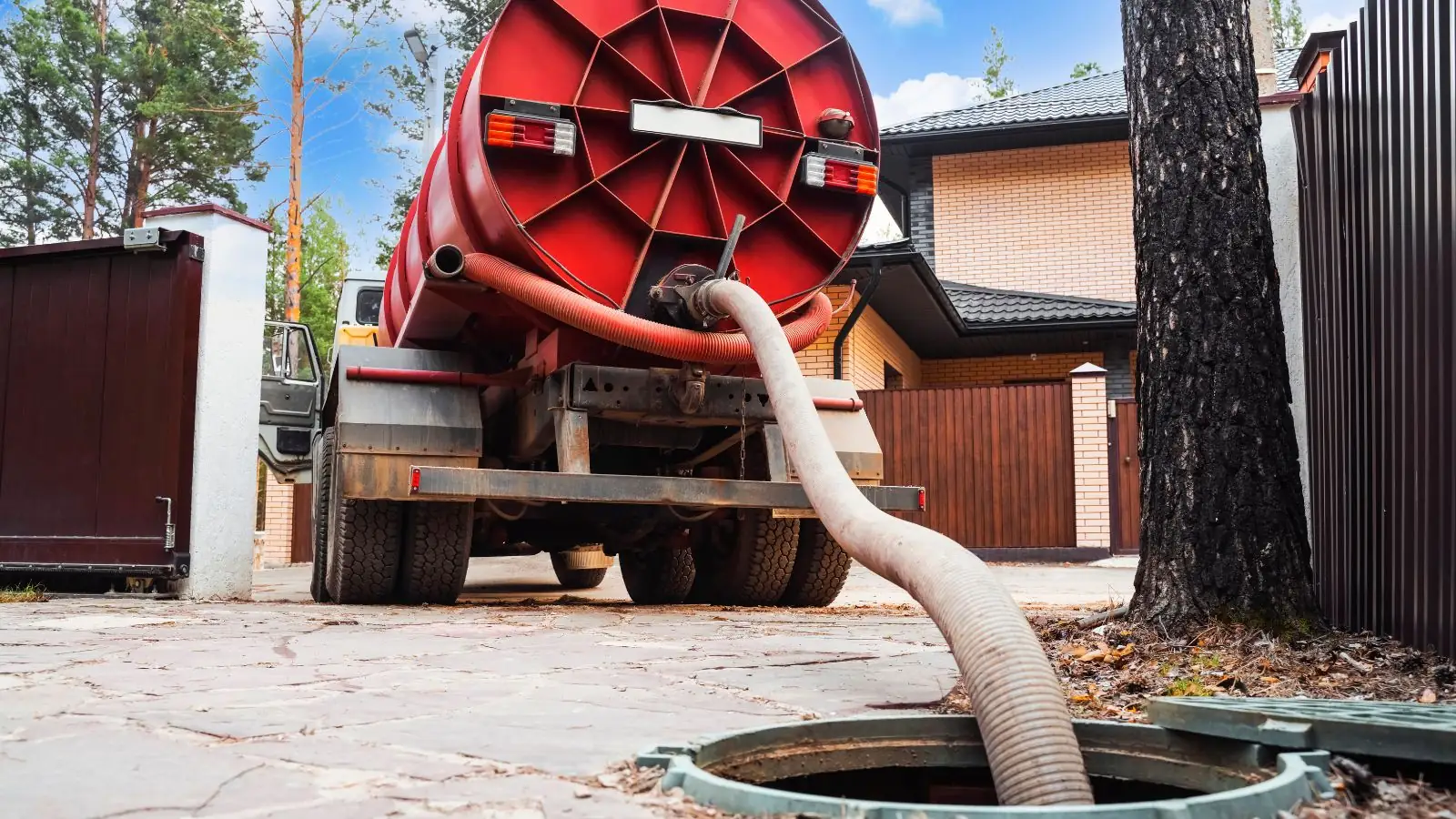
Emergency Sewage Backup Cleanup in Dartmouth, MA
Sewage backup is a contamination emergency. Stay out, keep people and pets away and call the 24/7 line. We handle containment and cleanup in Dartmouth.
Foul smell, gurgling drains or water coming up from a floor drain?
Those are the signs of a sewer or drain backup. Water that rises from a floor drain, toilet or tub carries waste, and the trade name for it is Category 3 water. It is not a do-it-yourself cleanup.
The line at (508) 286-8971 takes calls 24/7. Describe what you see and we take it from there.
Sewage backup: what to do first
Keep everyone out of the affected area, especially children, pets and anyone with health concerns. Do not use sinks, toilets or the washer, because water going down can feed the backup. Do not wade through it, and do not use a household vacuum.
If water is touching outlets or the panel, call the utility or 911 for any electrical risk before you call us. Open windows for air if it is safe. Tell us what you saw and when, because the cause decides who must act next.
Dartmouth sewers, septic and who to call
Dartmouth has a town sewer system, but many properties use private septic. The first question is which applies to your address, and the Dartmouth DPW or Board of Health can tell you. If the problem is in the town main, the town may need to act, while a clog in your own lateral is a plumber's job.
The town master plan notes upstream sewer overflows from New Bedford that affect Clarks Cove and Buzzards Bay, and it flags sewer pump stations near the Paskamanset River floodplain. Heavy storms and flooding strain these systems, so backups often follow big rain.
Sewage backup cleanup order of work
Sewage follows a stricter order than clean water losses, based on the ANSI/IICRC S500 standard.
| Step | What happens | Why |
|---|---|---|
| Containment | Affected rooms are separated and protected | Stops contamination spreading |
| Removal | Water is extracted and contaminated materials are bagged | Porous materials cannot be fully cleaned |
| Cleaning and treating | Hard surfaces are cleaned and treated | Reduces contamination |
| Drying | Air movers and dehumidifiers run until readings are dry | See structural drying |
What gets removed and what can be cleaned
Hard, nonporous surfaces such as tile, sealed concrete and metal can usually be cleaned and treated. Porous materials such as carpet, pad, drywall, insulation and upholstered furniture soak up contaminated water and are normally removed and bagged.
The choice depends on how long the water sat, how far it spread and what the material is. We explain each decision before work starts so you can keep your own records.
Sewage backup and insurance
Massachusetts Division of Insurance guidance says sewer backup is usually not covered by a standard homeowners policy and that most insurers offer it as an endorsement. Check whether your policy includes one. Report the backup right away and keep photos.
We document the loss and describe the work. Your insurer decides coverage, and a plumber should clear the blockage.
What drives sewage cleanup cost
Contamination raises both effort and disposal. These factors drive the price.
Water category
Category 3 adds protective gear, containment and disposal.
Area affected
The size of the contaminated area and how far the water spread.
Materials involved
Carpet, pad, drywall and insulation are usually removed.
Drying days and equipment
Wet framing and slab need drying after cleaning.
Rebuild scope
Replacing removed materials is separate.
Call (508) 286-8971 and we explain scope and price before work starts.
Sewage coming up?
Stay out, keep pets away and call the 24/7 line. We respond the same day when we can.
Sewage backup questions
Yes. The line at (508) 286-8971 is open 24/7. We respond the same day when we can and make no promise of a fixed arrival time.
That often means a partial blockage or a vent problem in the drain line. A plumber should check, and any water that comes up needs professional cleanup.
We advise against it. The water carries bacteria, and porous materials usually must be removed.
Yes. Sewage is Category 3, which sets the protective steps and disposal rules.
Usually only with an added endorsement. Check your policy.
A plumber or the town, depending on where the problem is. We handle the cleanup after.