Wall and Drywall Water Damage Repair in Dartmouth, MA
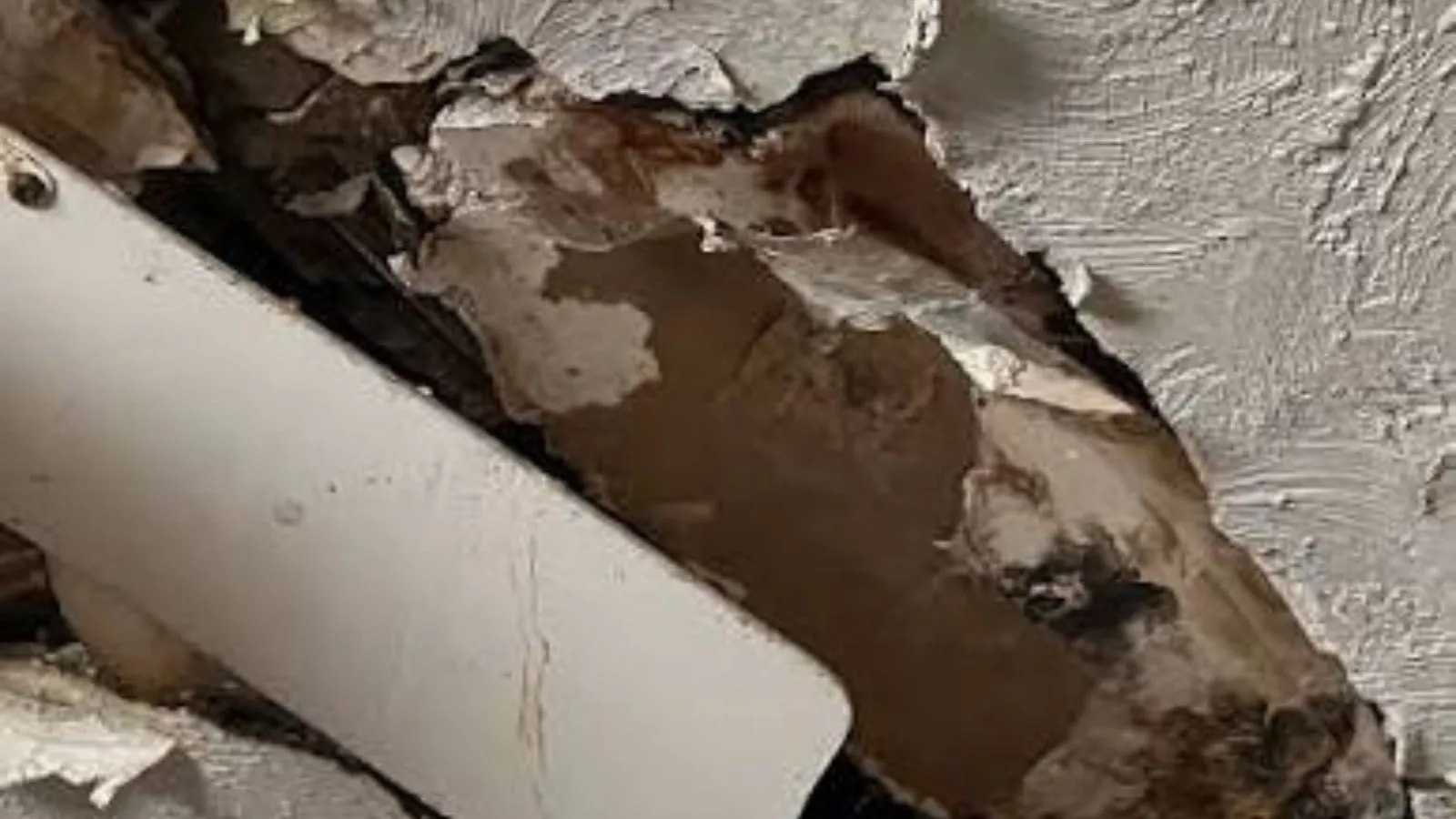
Stained, soft or bubbling walls mean water is inside the wall. We find how far it went, dry it, and prepare the wall for repair. The line is open 24/7.
What water does inside a wall
Drywall is paper-faced gypsum, and paper wicks. A wall that sat in water can pull moisture several inches above the visible line, and the wet part keeps the studs and insulation damp behind it. That is why a wall that looks dry on the surface can still be wet inside.
Signs to watch for are soft or crumbling drywall, bubbling or peeling paint, a stain at the baseboard, swollen trim and a musty smell. The line at (508) 286-8971 takes calls 24/7 for walls that keep getting worse.
Baseboards, trim and the first six inches
Water on a floor reaches the wall first at the baseboard. Wood and MDF trim swell and the bottom of the drywall behind it absorbs water upward, which is why damage often shows as a dark band along the wall. Pulling the trim reveals the true edge of the wet area.
When the wet part is limited to the lowest few inches, a flood cut can remove just that strip and leave the rest of the wall. Insulation behind it is checked and replaced if wet. Fixing only the visible stain often leaves wet material behind, so moisture readings are taken before any patching.
Drywall condition and what usually happens
The look of a wall gives clues, but readings tell the truth. This table pairs common looks with the usual approach.
| What you see | What it usually means | Typical approach |
|---|---|---|
| Light stain, firm to the touch | A small, short-lived leak | Moisture check, dry in place, prime and repaint |
| Bubbling paint or soft spots | Gypsum absorbed water | Cut out the soft section, dry the cavity, patch |
| Dark band along the floor | Water wicked up from a wet floor | Flood cut to above the wet line, replace insulation |
| Black or fuzzy growth | Moisture has lingered | Dry first, then see mold remediation |
How wall water damage repair works
1Map the moisture
Meters and a thermal camera show how far water traveled through the wall, including behind cabinets and trim.
2Open only what is needed
Wet drywall and insulation are cut back to dry, clean material.
3Dry the cavity
Air movers and dehumidifiers dry studs and plates, sometimes with small holes for airflow. The structural drying page explains the equipment.
4Hand off for repair
Once readings are at drying goals, the wall is ready for new drywall, finishing and paint.
Older Dartmouth walls
The SRPEDD regional housing snapshot says about 45 percent of homes in southeastern Massachusetts were built before 1960. Older homes often have plaster and lath rather than drywall. Plaster tolerates a brief wetting better than gypsum, but long exposure loosens it from the lath and can leave hidden mold.
If your wall is plaster, expect a more careful approach and a longer drying time. Painted plaster that bubbles should be checked for moisture behind it before anyone repaints.
How we decide which drywall comes out
Deciding what drywall to cut follows the ANSI/IICRC S500 standard for water damage restoration, which ties the decision to the water category and measured moisture.
That is why we show you meter readings before a wall is opened.
What drives wall water damage cost
A wall repair price depends on how far the water went. These factors set it.
Water category
Clean leaks, gray water and sewage change the safety steps.
Area affected
Linear feet of wall, and how many rooms share the wall cavity.
Materials involved
Drywall, plaster, insulation, trim and paint.
Drying days and equipment
Closed wall cavities dry more slowly.
Rebuild scope
New drywall, finishing, texture and paint are separate from drying.
Sudden and accidental water damage is often covered by a homeowners policy, but flood is usually excluded. Check your policy and report the loss promptly. Want your real number? Call (508) 286-8971.
Walls soft, stained or bubbling?
Call the 24/7 line. We explain the scope and price before work starts and respond the same day when we can.
Wall and drywall water damage questions
Sometimes. Firm drywall that was wet briefly can dry in place. Soft, crumbling or contaminated drywall is cut out.
Often several inches above the visible line, because paper wicks. Moisture readings find the real edge.
Not always, but a stain with a ring or a damp feel usually is. A moisture meter confirms whether water is still present.
Not until the wall is dry. Painting over damp drywall traps moisture and can lead to peeling and mold.
We prepare the wall and handle the water damage. Finishing and painting are repair steps that follow once the wall is dry.
Our line takes calls 24/7. For a wall that is not an active emergency, we can schedule the visit at a time that suits you.