Saving Photos and Documents After Water Damage in Dartmouth, MA
Practical steps for Dartmouth, MA homeowners to protect wet photographs, papers and keepsakes in the first days after a leak or flood.
Act within the first day or two
Wet paper starts to degrade quickly, and mold can begin within a couple of days. The faster you handle photos and documents, the more you can keep. Safe handling matters as much as speed.
First, make sure the area is safe. Do not enter rooms with live electrical risk or standing contaminated water. Your safety matters more than an album.
First-aid by item type
Treat items according to type and water source. This table lists common steps.
| Item | First step | What to avoid |
|---|---|---|
| Photographs, clean water | Rinse gently in clean water, air dry face up | Do not peel stuck photos by force |
| Photographs stuck together | Soak in clean water, separate gently | Do not pull dry |
| Loose documents | Air dry flat, or freeze to buy time | Do not use heat or sun |
| Bound books | Stand upright with pages fanned, or freeze | Do not press closed |
| Valuable items | Freeze, then contact a conservator | Do not clean or iron |
| Items from contaminated water | Photograph and likely discard | Do not handle without gloves |
Freezing buys time
If you cannot dry items at once, put them in a freezer. Freezing stops mold growth and gives you time to decide. Place paper items in freezer bags with wax paper between sheets to keep them from sticking.
You can thaw and dry them later, or send them to a specialist. A frost-free freezer may dry items slowly, so use a chest or standard unit when possible.
Air drying at home
Lay items flat on clean paper towels or blotting paper in a room with moving air and low humidity. Change the blotting paper often. Keep items out of direct sun and away from heaters, since heat can warp and curl them.
Use a dehumidifier in the room. This speeds drying and lowers the chance of mold.
Which items are worth a specialist
Rare photographs, family records, art and legal documents may justify a conservator. A specialist can stabilize, clean and restore items that home drying cannot. Ask for cost estimates before you start.
Copy or scan what you can first. A digital copy is a backup if the original cannot be saved.
Protect your legal and financial papers
Passports, birth certificates, deeds, insurance papers and tax records matter most. Dry them carefully and make copies. For damaged official documents, contact the issuing office to ask about replacements.
Store originals in a waterproof container or a safe place off the floor in future.
Insurance records
Photograph the damage to your belongings and the room before you move anything. Note which items were wet, where and when. Keep receipts for any specialist work.
Your insurer may want to see damaged items. Ask before disposal. Our water extraction page explains how we handle standing water so belongings can be reached sooner.
Prevent the next loss
Store photos and papers in plastic bins on shelves, not on the basement floor. Scan key records and store a copy in the cloud. Keep a go-bag with essential documents in a high, dry place.
These small steps cost little and save a lot of grief.
Step-by-step: drying photos
Rinse mud or dirt from photos in clean, cool water, holding them by the edges. Place them face up on a clean, flat surface lined with paper towels. Do not stack them while wet.
Photos that are stuck together can be soaked in clean water and separated slowly. Never pull them apart dry, since the image layer can tear off.
Digital media and storage devices
Hard drives, USB sticks and memory cards can sometimes be recovered if they are not powered on while wet. Do not plug a wet device in. A data recovery specialist can often clean and read the drive.
Cloud backups save a great deal of grief. If you have none, start one after the cleanup is over.
Books, art and framed items
Open framed items and take art out of wet frames to avoid mold and sticking. Treat books as in the table, standing them upright with pages fanned or freezing them. Artwork on paper or canvas often needs a conservator.
Take photos before and after you handle each piece so your insurer sees what happened.
Do not forget the room itself
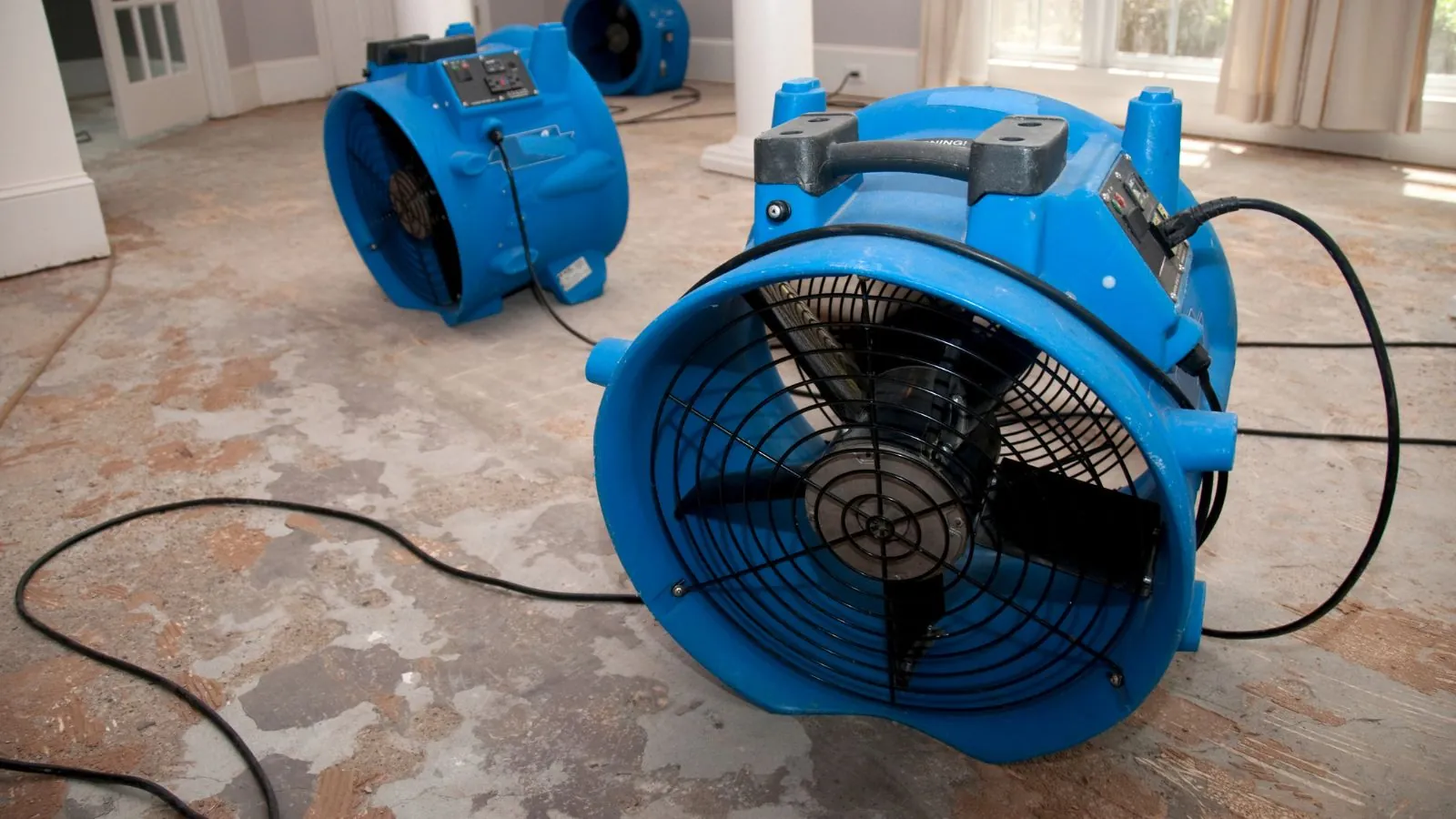
Items recover best when the room dries fast. Wet walls and floors release moisture for days, so papers stored nearby can re-wet. Drying the structure protects what you saved.
Our structural drying page explains how we dry the room so your recovered items do not get damp again.
When mold has already started
If photos or papers show spots or smell musty, freeze them right away to stop growth, then talk to a conservator. Do not brush or scrub mold off paper, since that can spread it and damage the surface. Wear gloves and a fitted respirator when you handle affected items.
Keep moldy items away from clean ones. Seal them in bags and label the bag so you remember what is inside.
How to organize a recovery weekend
Set up one clean table, a stack of blotting paper and a few fans. Work in small batches and label each pile by item type. A second person helps by changing paper and keeping records.
Take breaks and stop if you feel unwell. Old photographs are precious, but safety comes first.
Dartmouth storage and flood risk
Dartmouth has flood-prone places such as Padanaram Village causeway, Little River Road and Russells Mills Village. Homes near those areas should keep valuable papers on upper floors.
The town has about 20 miles of shoreline, and Buzzards Bay sea level has risen about 10 inches since 1932. Storm tides can reach lower levels of coastal homes.
Basements and crawl spaces in older homes tend to stay damp. SRPEDD reports about 45 percent of regional homes were built before 1960.
Nearby towns
These practices apply wherever you live. See water damage restoration in Acushnet and water damage restoration in Mattapoisett for notes on nearby areas.
If your home flooded, call us at (508) 286-8971 and we will help dry the structure.
Questions Dartmouth homeowners ask
Photos from clean water often can be saved. Floodwater adds contamination and makes recovery harder.
No. Heat can damage paper and set stains.
Several weeks is common, giving time to arrange professional help.
A paper or photo conservator. Ask about cost and method before you commit.
Dry them carefully and contact the issuing office about replacement.
Use sealed plastic bins, store on shelves and keep digital copies.
Water still spreading?
Water in rooms with keepsakes? Call the 24/7 line. We dry the structure so items can be reached.