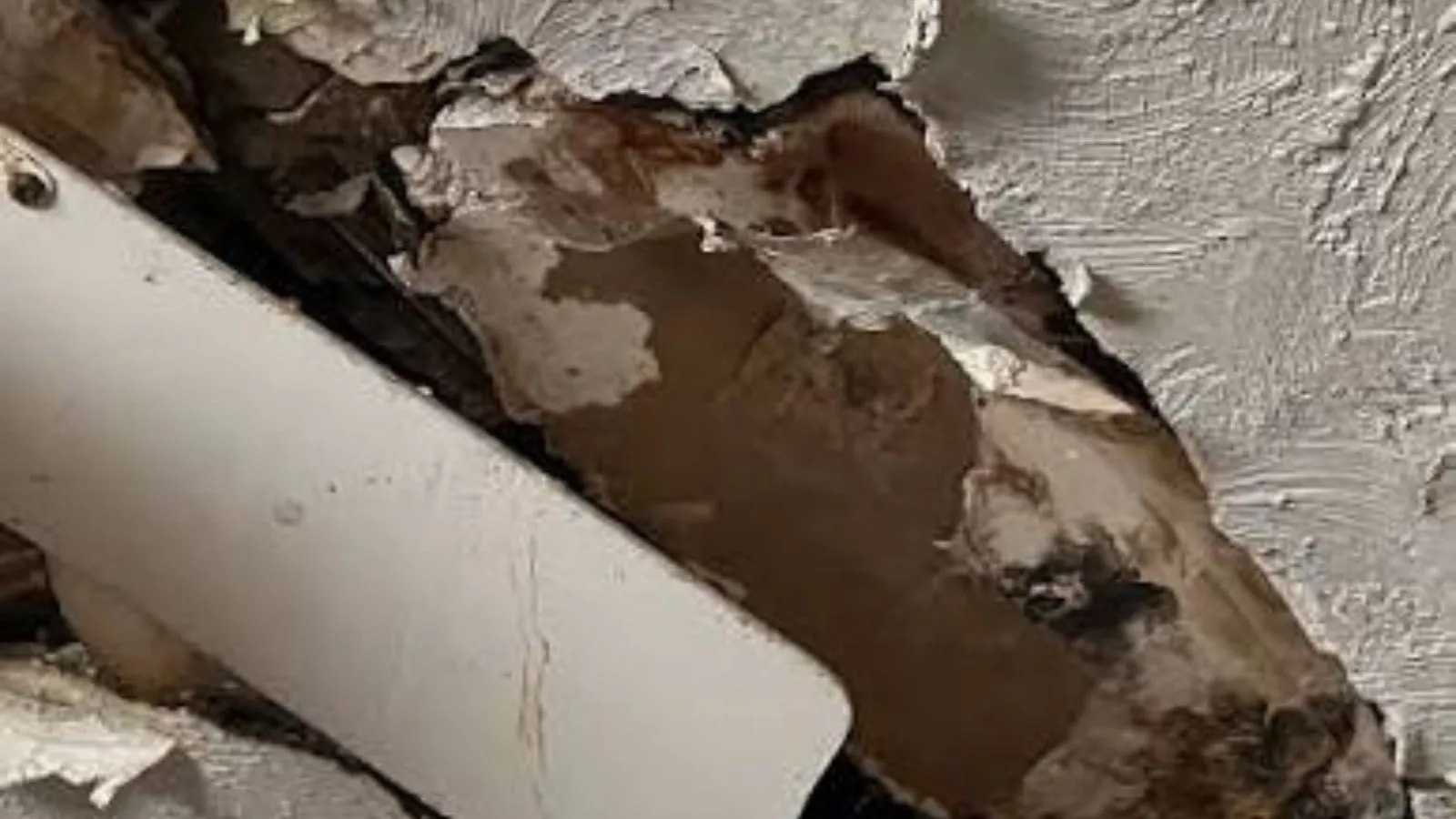
Mold vs Mildew in Dartmouth, MA Homes: How to Tell
A plain-language guide for Dartmouth, MA homeowners who see spots on a wall, in a bathroom or in a basement and want to know what they are looking at.
The short answer
Mildew is a surface growth that usually looks flat, powdery or downy, and often appears white, gray or yellow. Mold is a broader term that covers many types of fungi, and it often looks fuzzy, slimy or raised, in shades of green, black or other colors. Both need moisture.
Color alone cannot tell you which one you have. Only a lab can identify the type, and for most home cleanup the better question is how much and where.
Mold vs mildew at a glance
The words overlap in everyday use. This table gives a rough guide.
| Feature | Mildew | Mold |
|---|---|---|
| Usual look | Flat, powdery, white or gray | Fuzzy, slimy or raised, many colors |
| Common spots | Shower walls, window sills, damp fabric | Drywall, wood, insulation, carpet |
| Depth | Mostly on the surface | Can grow into porous material |
| Cleanup | Often wipes off hard surfaces | May need material removal |
| Moisture needed | Yes | Yes |
Why the difference matters for cleanup
Surface growth on a tile or sealed surface often cleans with detergent and water. Growth that has gone into drywall, wood or insulation is harder to clean and usually calls for removal. How deep it goes matters more than the label.
If you can wipe it away and it does not return after you fix the moisture, it was likely surface growth. If it returns or the material is soft, the problem is bigger.
Where each shows up in Dartmouth homes
Bathrooms, kitchens and windows collect condensation, so surface growth shows up there first. Basements, crawl spaces and attics hold humidity and can support growth on framing and insulation. Closets against exterior walls can also stay damp.
Coastal humidity makes this worse, especially in rooms with little air movement. A dehumidifier and a bathroom fan help, but neither fixes a leak.
Look for the water, not the color
The most useful step is to find the moisture source. Check under sinks, around windows, along basement walls and in the attic. A moisture meter or a thermal camera can find damp areas you cannot see.
Our structural drying page explains how professionals dry a wet structure, and mold remediation explains when growth needs removal.
Health questions
We make no health claims about mold or mildew. People with breathing or immune concerns should talk with a physician and avoid cleaning growth themselves.
For everyone else, protective gear is smart. Wear a fitted respirator, gloves and eye protection for any cleanup.
What to do about each
For small surface growth on a hard surface, clean with detergent and water, dry the surface and fix the humidity cause. For growth on drywall, insulation or carpet, or for anything that keeps returning, call a professional.
Avoid painting over either kind. Paint hides the problem and it can peel as the growth continues.
How to test a spot at home
Rub a small patch with a damp cloth while wearing gloves. If the stain wipes away and does not return after the surface dries, it was likely surface growth or soiling. If the surface is soft, stained through or the growth comes back, it has probably gone deeper.
Do not sniff the spot to check. Keep your face away and use gloves. If you see growth on drywall, insulation or wood framing, stop testing and call a professional.
Why bathrooms and basements are the usual suspects
Showers fill a room with warm, wet air. Without a working fan, that moisture settles on walls and ceilings, and it sits there until the room dries. Basements stay cool, and cool surfaces collect condensation in humid months.
Fixing these spots is mostly about airflow. Run the fan during and after showers, wipe wet surfaces and keep furniture a few inches from basement walls.
Simple habits that cut down the problem
Keep indoor humidity in a moderate range with a dehumidifier in damp rooms. Fix small leaks fast, and dry wet towels and rugs instead of leaving them in a pile. Clear gutters and keep soil sloping away from the foundation.
These steps do not make growth impossible, but they remove the damp conditions it needs. If a room still smells musty after all this, look for a hidden leak.
When the spot is a stain, not growth
Not every dark mark is growth. Soot, water stains, dirt and old paint can look similar. A water stain often has a ring or a tide line, while growth may look fuzzy or have a texture.
If a stain returns after cleaning, or if the wall is soft, treat it as a moisture problem. A meter reading will tell you more than color does. Photograph the spot and watch it over a week.
Why the label matters less than the cause
Homeowners often spend time trying to name the growth. What helps more is knowing how wet the material is and for how long. Fast drying and a fixed leak stop most small problems before they spread.
Our mold remediation page covers the cases where growth needs removal.
Why moisture comes first in the standard
The ANSI/IICRC S520 standard for mold remediation treats moisture control as part of any mold job, according to its published scope.
That is why finding the water matters more than naming the growth.
Humidity along Buzzards Bay
Dartmouth has about 20 miles of shoreline, and the Buzzards Bay watershed has seen sea level rise of about 10 inches since 1932. Coastal air carries moisture, and homes near the water tend to stay damp longer.
The town master plan lists flood-prone spots including Padanaram Village and Russells Mills Village. Homes there should check basements and crawl spaces after storms.
About 45 percent of southeastern Massachusetts homes were built before 1960, per SRPEDD. Older homes often lack modern ventilation, which raises the chance of damp corners.
Neighboring towns
The same patterns appear in nearby towns. Our notes on water damage restoration in New Bedford and water damage restoration in Acushnet describe how local housing affects moisture.
Whether you call it mold or mildew, the plan is the same. Find the moisture, fix it and clean what is safe.
Questions Dartmouth homeowners ask
Color is not a reliable identifier. Treat any growth as a moisture problem and handle it carefully.
On hard surfaces, usually yes. Dry the area and fix the humidity.
The room stays damp. A fan, shorter hot showers and wiping surfaces can help.
Only a lab can identify the type, and for most cleanups you do not need one.
Yes. Damp air makes growth more likely, so a dehumidifier and ventilation help.
When growth is on drywall or insulation, covers a large area or keeps returning.
Water still spreading?
Growth that keeps returning? Call the 24/7 line. We find the moisture and explain the scope.