Mold Removal From a Basement in Dartmouth, MA: Hire or DIY?
A decision guide for Dartmouth, MA homeowners who found mold in the basement and need to decide who should remove it.
Start with the size and the source
The first decision is not who removes the mold. It is how big the problem is and where the moisture comes from. A small patch on a concrete wall that stays dry is a very different job from fuzzy growth across drywall and framing.
Mold needs moisture to grow. If you do not know why the area is wet, removing the growth only clears the surface and the cause stays in place.
A quick way to size it up
Many guides use a rough rule: a patch smaller than about ten square feet is the kind of job a homeowner may handle, while larger areas or growth inside walls call for a professional. This is a rule of thumb, not a legal line. Your own comfort, your home and your health situation all matter.
If anyone in the house has breathing concerns, or if you cannot find the moisture source, stop and call a professional. We make no health claims here, and a physician is the right person for those questions.
Hire or DIY: a decision table
Use this table as a first pass. Your own case may sit between two rows.
| Situation | Leans toward | Why |
|---|---|---|
| Small surface patch on sealed concrete or tile | DIY with care | Hard surfaces can be cleaned and the patch is limited |
| Growth on drywall, insulation or carpet | Professional | Porous materials usually need removal and containment |
| Growth across a large wall or ceiling area | Professional | Size raises the chance of spreading when disturbed |
| Musty smell with no visible source | Professional inspection | Moisture mapping can find hidden wet areas |
| Mold after a flood or sewage backup | Professional | The water category adds contamination steps |
| A sale, loan or insurance claim is involved | Professional with clearance | Records and independent testing help the file |
What professional removal involves
A remediation crew starts by finding the moisture and the extent of growth. It then seals the work area with plastic barriers and runs air filtration so that disturbing the mold does not spread it to the rest of the house. Porous materials with growth, such as drywall and insulation, are cut out, bagged and removed.
Surfaces that can be saved are cleaned, and the structure is dried until moisture readings are normal. The method follows the ANSI/IICRC S520 standard for mold remediation. Our mold remediation page explains the steps in order.
Why drying matters as much as removal
Taking out moldy material without drying the space leaves the conditions that caused it. Dehumidifiers and air movers lower the moisture in framing and concrete, and meters confirm the result. Our structural drying page covers the equipment.
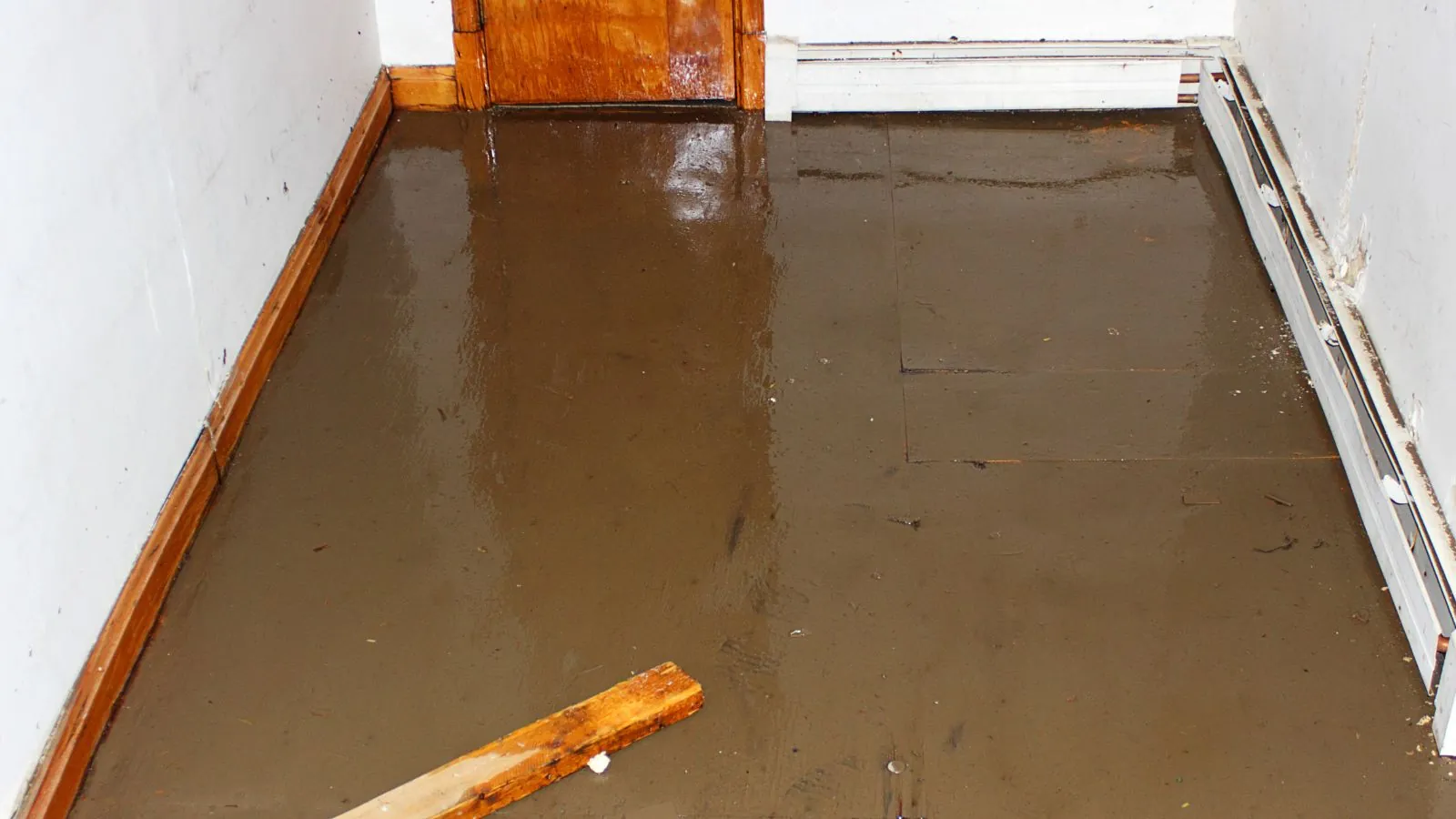
If the basement took on water first, the basement water damage page shows how that cleanup is handled before any mold work.
What hiring costs and what drives the number
Mold removal prices depend on how much area is affected, how much material must come out, how much containment is needed and how long drying takes. A small, accessible area is a short job, while growth behind finished walls takes more time. Rebuilding is usually priced separately.
Ask for a written scope that lists what will be removed, what will be cleaned and what dry readings you should expect. Compare scopes, not only totals.
Massachusetts has no mold license
According to Mass.gov, Massachusetts does not require a state license for mold remediation. That puts the burden on you to ask each contractor about their process, their insurance and how they contain the work area. A contractor who cannot explain containment is a reason to keep looking.
Also ask who will do the post-work testing. Independent testing, done by someone other than the remediation company, is the usual standard for a sale or loan. Our guide to clearance testing sits in the blog index.
If you decide to do a small job yourself
Wear a fitted respirator rated for particles, gloves and eye protection. Keep the area closed off, avoid dry scrubbing that throws dust into the air, and bag removed material before carrying it out. Run a dehumidifier and keep fans from blowing across the work area into the rest of the house.
If you see growth continue to spread after cleaning, or if it comes back within weeks, the moisture source is still active and a professional should look.
What to do before you decide
- Do not scrub or sand visible growth, since that spreads it.
- Keep the area closed off and keep fans from blowing into the house.
- Wear a fitted respirator, gloves and eye protection for any contact.
- Photograph the area and write down where moisture comes from.
Why basements in Dartmouth stay damp
Dartmouth is the largest town on Buzzards Bay by area, with about 20 miles of shoreline, and sea level in the Buzzards Bay watershed has risen about 10 inches since 1932. In coastal areas the water table sits close to the surface, so basements can take on groundwater after heavy rain.
The town master plan lists flood-prone places such as Horse Neck Road, Little River Road and Smith Neck Road. If your basement is near one of these, plan for seepage after storms and keep a dehumidifier running.
About 45 percent of homes in southeastern Massachusetts were built before 1960, according to SRPEDD. Older foundations are more likely to have cracks and weaker waterproofing, so inspect the walls after rain.
When a neighbor town has the same problem
The same basement patterns show up across the region. If you live near the border, our notes on water damage restoration in New Bedford and water damage restoration in Acushnet describe how local building types shape water problems there.
Wherever the home sits, the decision process is the same. Find the moisture, size the problem, then decide who removes it.
Questions Dartmouth homeowners ask
Small surface patches on hard, sealed surfaces are the kind of job some homeowners handle with protective gear. Anything larger or inside walls is safer with a professional.
A musty smell, stains that keep returning or damp readings from a meter suggest moisture behind the surface. A professional can open a small inspection hole.
Mass.gov says no state license is required for mold remediation, so ask every contractor about their process and insurance.
Bleach does not reach into porous materials like drywall. Removing wet material and drying the area works better.
Yes, in a coastal home with high humidity, but a dehumidifier does not fix a leak or seepage.
As soon as you see growth, because wet materials can support more of it the longer they stay damp.
Water still spreading?
Found mold in your basement? Call the 24/7 line. We explain scope and price before work starts.