How to Read a Water Damage Scope of Work in Dartmouth, MA
A walkthrough of the scope of work document, line by line, so Dartmouth, MA homeowners know what they are signing.
What a scope of work is
A scope of work is the document that describes what a company will do at your property. It lists the areas, the tasks, the equipment and often the expected time. You sign it, so read it as you would any contract.
The scope is different from an invoice. The scope comes first, and the invoice should match it.
Typical sections and what to check
Go section by section. This table gives a short checklist.
| Section | What it contains | What to check |
|---|---|---|
| Job description | Source of water, date, address | Facts match your records |
| Water category | Category and class of loss | Reason is given |
| Work list | Tasks by room | No vague entries like repair as needed |
| Equipment list | Machines and days | Counts fit the rooms |
| Materials | What comes out and what stays | Limits on demolition |
| Exclusions | What is not included | Matches what you expect |
| Terms | Payment, changes, signatures | Clear and fair |
Job description and water category
The first part should state what happened, when and where. It should name the water category, which is Category 1 for clean water, Category 2 for some contamination and Category 3 for grossly contaminated water. The category shapes safety steps and which materials can be saved.
If you disagree with the category, ask the company to explain. The source of the water and how long it sat matter.
The work list
Look for specific tasks tied to specific rooms. Extract water, remove wet baseboards in the kitchen, set air movers, dry subfloor are specific. Water damage repair as needed is not.
If something is vague, ask for a clear entry. A good scope leaves little to guess.
Equipment and days
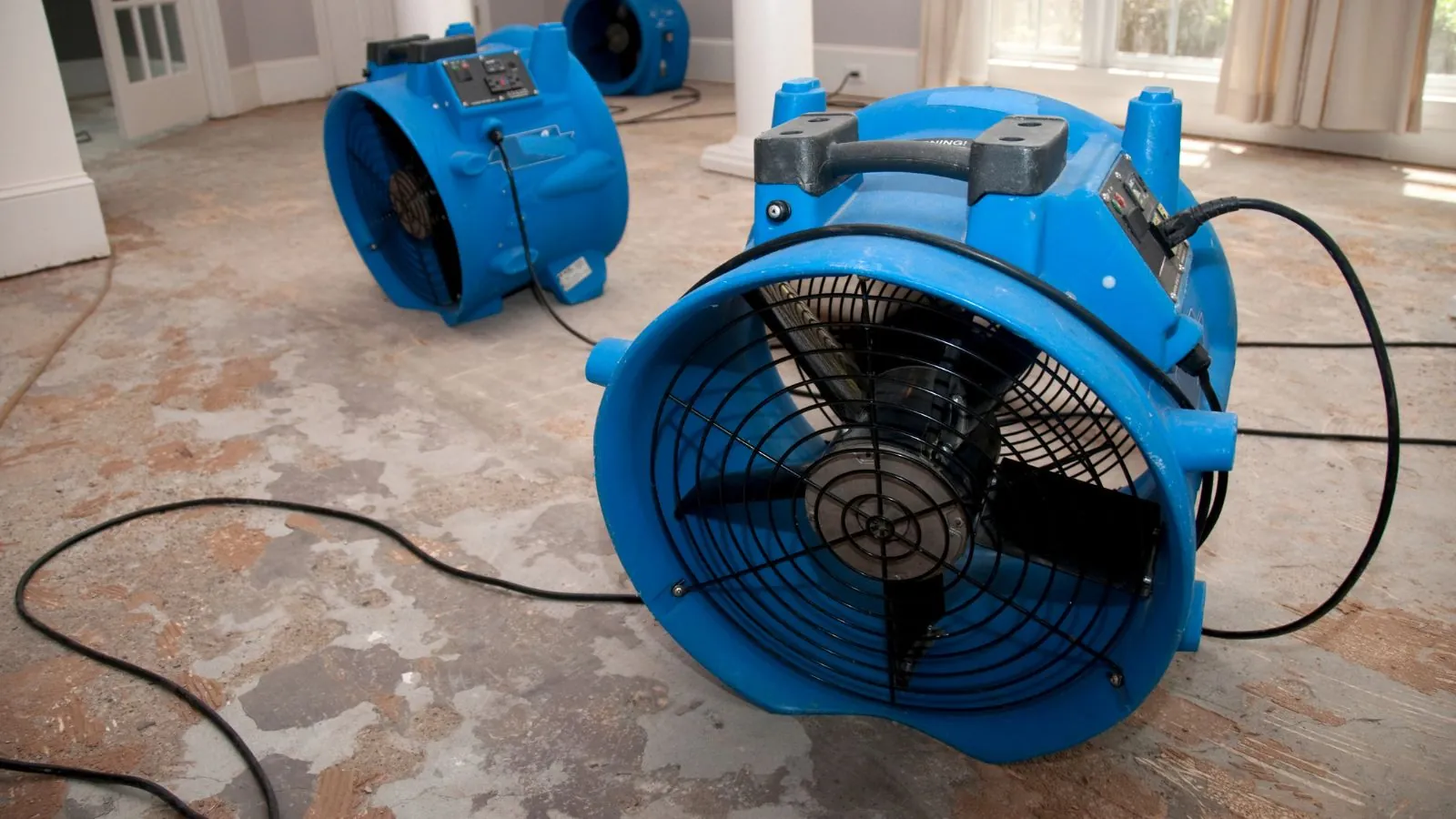
Equipment appears as counts: air movers, dehumidifiers and sometimes air scrubbers. Days are an estimate that readings may change. Ask how the company decides to add or remove machines.
Our structural drying page explains the logic. The scope should not promise a fixed finish date unless readings support it.
Jargon you may see
Class 1 to 4 refers to how much and how fast water will evaporate. Dry standard, drying goals and GPP refer to target moisture levels. Flood cut means removing drywall a few inches above the water line. Containment means plastic barriers that limit spread.
Ask the company to explain any term you do not know. A plain-language answer is a good sign.
Signatures and authorization
Read what you are authorizing. Some forms include direction to pay, assignment of insurance benefits or a lien clause. Do not sign a blank form, and do not sign a document you have not read.
You can ask for time to read, or ask your agent or an attorney. A fair company respects that.
Change orders
Water jobs often change as walls open. A change order is a written update to the scope that adds or removes work and states the price. You should approve it before the work happens.
If the scope has no change process, ask for one. It protects you and the company.
What happens after the work
At the end you should get readings, photos and a summary of what was done. These documents prove that the structure reached drying goals. Keep them for your insurer and for any future sale.
If mold work was involved, ask about clearance testing. Our mold remediation page explains how that fits.
A worked example of reading one line
Suppose a line says remove and dispose of wet carpet pad in the living room, about 200 square feet. That tells you the task, the room and the size. You can check the size against your floor plan and ask whether the carpet itself stays.
Now compare that to a line that says flooring. You cannot tell what is being done or where. The first line is a promise you can check, and the second leaves room for argument later.
Photos, readings and records inside the scope
A good scope says the company will take photos and moisture readings and share them. It should say how often and in what form. These records show that the drying did what it should.
If the scope does not mention records, ask for them to be added. They matter for your insurer and for a future buyer.
Matching the scope to what you see
Walk the house with the scope in hand and check that every wet room is listed. Look at the ceilings and the rooms below. Check closets and the backs of cabinets too.
If the scope leaves out a wet area, tell the company at once. It is easier to add a room before work starts than after.
If you disagree with a line
Say so in writing and ask for a change before you sign. Offer a reason, such as a photo of damage the scope missed. If the company will not discuss it, you can get another opinion.
Do not let the clock rush you into agreeing. A short pause is better than a long dispute.
Keeping your copy safe
Ask for a signed copy and store it with your claim file. Take a photo of each page too. If the company updates the scope, ask for the new version and keep the old one.
A tidy file saves time with your insurer, your lender and any future buyer. It also makes any later question easy to answer.
Dartmouth items to check in a scope
Dartmouth Town Hall at 400 Slocum Road can tell you whether a repair needs a permit. A scope that touches wiring, plumbing or structure may involve one.
Coastal humidity can lengthen drying. Check whether the scope allows extra days if readings need them.
Many local homes were built before 1960, per SRPEDD. Plaster and old framing can hold water, so check how the scope handles those materials.
Nearby towns
The same checks apply across the region. See water damage restoration in Mattapoisett and water damage restoration in New Bedford for notes on nearby areas.
Bring a pen, read slowly and ask questions.
Questions Dartmouth homeowners ask
It is part of one. Read it as you would a contract.
A written update that adds or removes work and states the price.
You can take time to read it. Do not sign something you have not understood.
It lets a company bill your insurer directly. Read it carefully and ask your agent.
Ask for daily readings, photos and a final summary.
Ask the company to check it and add it in writing if needed.
Water still spreading?
Have a scope to review? Call the 24/7 line. We explain each line before work starts.