What to Keep, Clean or Throw Away After Water Damage in Dartmouth, MA
A sorting guide for Dartmouth, MA homeowners facing a pile of wet belongings after a leak, flood or storm.
Sort by water type first
The most important question is where the water came from. Clean water from a supply line is far easier to recover from than water from a flood or sewer. Contaminated water changes what you can keep.
The trade names for these are Category 1, 2 and 3 water. Category 1 is clean, Category 2 has some contamination, and Category 3 is grossly contaminated, such as sewage or floodwater.
Sorting guide by material
Use this table for a first sort. Your insurer may want to see items before you discard them.
| Material | Clean water | Contaminated water |
|---|---|---|
| Solid wood furniture | Often dried and kept | Often cleaned if sealed, otherwise discard |
| Upholstered furniture | Sometimes dried if caught fast | Discard |
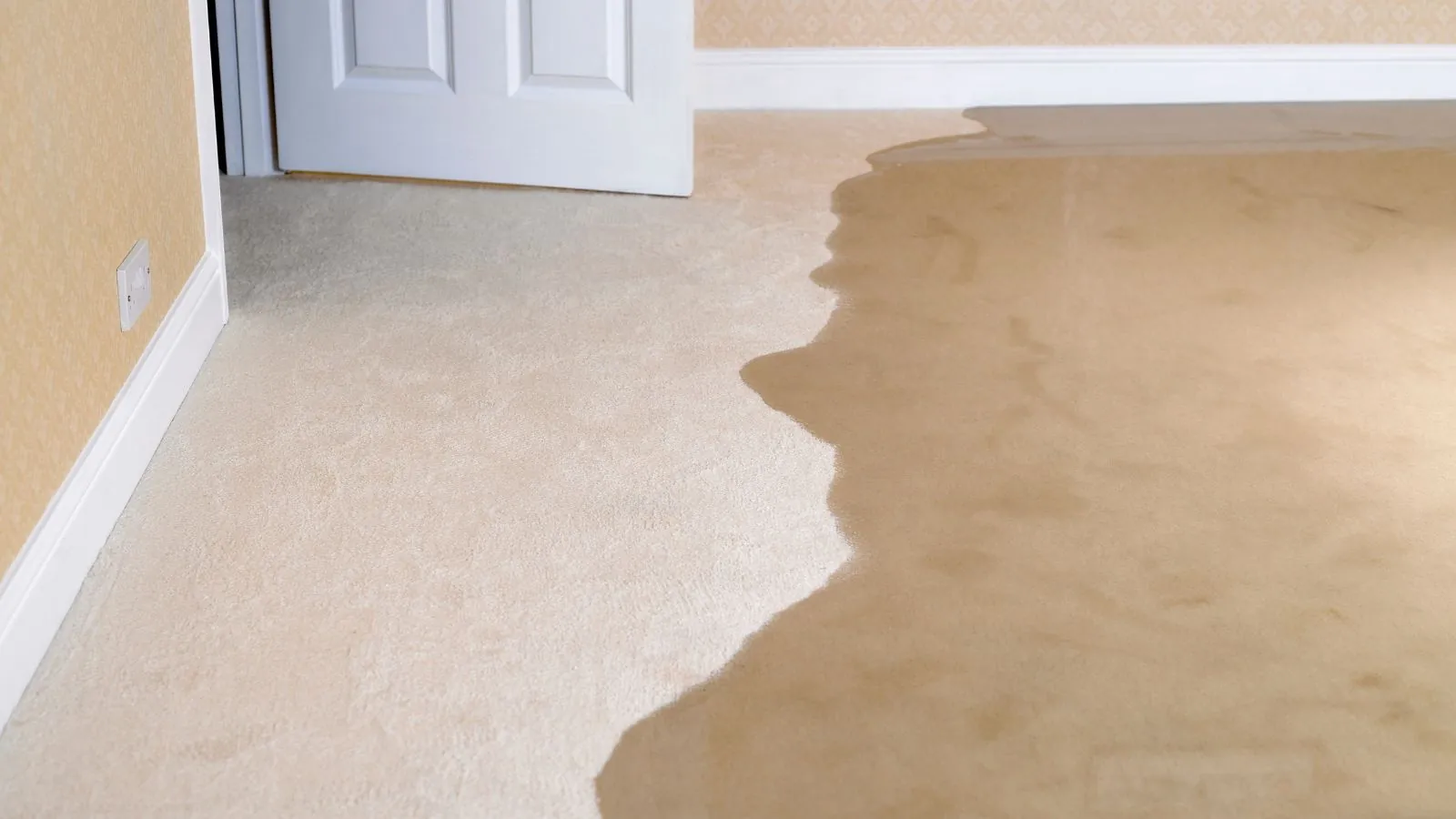
| Carpet and pad | Carpet may dry, pad usually replaced | Discard |
| Mattresses and pillows | Often discard if soaked | Discard |
| Hard items like glass, metal, ceramic | Clean and keep | Clean and sanitize |
| Books and papers | Freeze and dry if valuable | Usually discard |
| Food and medicine | Discard if packages were soaked | Discard |
Photograph before you throw anything out
Take a photo of each damaged item and write a short list. Your insurer may want to see them, and a record helps you remember what you lost. Keep a few samples of large items such as carpet or drywall until the adjuster visits.
Do not delay emergency drying for paperwork. Take photos fast, then move on.
Porous vs nonporous materials
Nonporous items such as glass, metal and sealed plastic clean well. Porous items such as upholstery, drywall, mattresses and insulation soak up water and are hard to clean. Wood sits between the two and depends on finish and thickness.
When in doubt, ask how deeply the water went and how long it sat.
Clothes, linens and soft goods
Washable clothes and linens from clean-water losses can usually be washed hot. From floodwater or sewage, soft goods are generally discarded. Dry cleaning may recover some items, so ask the cleaner.
Bag and label items so you can count them for your claim.
Electronics, appliances and cords
Do not plug in anything that got wet. Wet electronics can short out or cause shocks. Unplug items if the outlet is dry, and have a technician check appliances before use.
Keep receipts and model numbers for any claim.
Food and kitchen items
Discard food that touched floodwater or sewage. Cans can be washed and sanitized if the seal is intact, but food in cardboard or soft packaging should go. Throw out anything you are unsure about.
Counters, glass and metal pots can be washed and sanitized. Wood cutting boards and porous items touched by contaminated water should be discarded.
Where to put discarded items
Bag wet and contaminated items and set them aside from living areas. Check with the town about large item pickup rules. Dartmouth Town Hall at 400 Slocum Road can point you to the right department.
Do not move heavy wet items alone, since they weigh more than they look.
Drywall, insulation and flooring
Wet drywall that stays soft usually comes out, and so does wet insulation. Wood and laminate flooring may cup or buckle. Hardwood can sometimes be dried in place if caught fast, as the hardwood floor water damage page explains.
Carpet from a clean-water loss may be dried, but the pad is often replaced. Carpet from contaminated water is removed.
Cleaning items you decide to keep
Wash hard items with detergent and warm water, then sanitize with a product that is safe for the material. Rinse and dry fully. Let items dry in open air with fans, away from heat sources that could warp them.
Wear gloves and eye protection. Keep children and pets away while you clean.
Kids' items and sentimental pieces
Toys, stuffed animals and keepsakes are hard to part with. Hard plastic toys from clean-water losses can be washed. Plush toys from contaminated water should go, though a photo can keep the memory.
If an item holds deep value, ask a specialist before deciding. Some pieces can be cleaned by experts.
When the call is not yours alone
Your insurer, a landlord or a lender may have a say in what you discard. Ask before disposal. Keep a log of what you removed, and keep samples if asked.
If you rent, tell the landlord promptly and ask who is responsible for building materials and who is responsible for your belongings.
A sorting system that works
Set up three zones: keep, clean and discard. Use plastic sheeting on the floor and label bins. Move items out in order, starting with the most valuable and the least wet.
Have a helper write down each discarded item with a short note on its condition. The list can go straight into an insurance inventory.
Pet items and bedding
Pet beds, toys and bowls that touched contaminated water should be discarded or sanitized. Wash fabric items on hot if the water was clean. Check pet food storage for water and mold.
Keep pets out of wet areas until the cleanup is complete.
Document, then discard
Once you have photographed and listed an item, you can usually discard it unless your insurer asks to inspect it. Bag soaked items before carrying them out so they do not drip through the house. Put heavy wet pieces on a tarp and drag, rather than lift.
Keep the list in one place and add the date. It helps with the claim and with remembering what to replace.
Where the three water categories come from
The Category 1, 2 and 3 water terms come from the ANSI/IICRC S500 standard for water damage restoration.
Those categories drive the sorting rules in the table above.
Water type in Dartmouth storms
Dartmouth has flood-prone places such as Padanaram Village causeway, Horse Neck Road and Smith Neck Road. Water that comes in from outside after a storm is generally treated as contaminated.
Many properties use septic rather than town sewer, so a yard flood may carry waste. Treat any wet area near a septic system as suspect.
Storm surge can cut off access to some areas, so you may be sorting items before help arrives. Photograph, bag and set aside.
Nearby towns
The same rules apply in nearby towns. See water damage restoration in New Bedford and water damage restoration in Acushnet for how we describe local conditions.
If you are unsure, call and describe what you have.
Questions Dartmouth homeowners ask
Clean-water losses caught fast sometimes recover, but soaked mattresses are usually discarded.
Upholstered pieces from clean water can sometimes be dried. From contaminated water, discard.
Photograph everything and keep samples of large items. Do not delay emergency drying.
Valuable books can be frozen and dried by a specialist. Others are usually discarded.
Intact sealed cans can be washed and sanitized. Discard anything with damage.
Bag it and follow town rules. Ask the town about disposal.
Water still spreading?
Not sure what can stay? Call the 24/7 line. We describe what usually can and cannot be saved.