Preventing Water Damage When You Leave Home for Days or Weeks in Dartmouth, MA
A pre-trip checklist for Dartmouth, MA homeowners, snowbirds and seasonal residents who want to lower the chance of coming home to a flood.
Why leaving home raises the risk
A leak in an occupied house is usually noticed in hours. In an empty house it can run for days, and a small drip becomes a soaked floor. The longer you are away, the more a minor failure can grow.
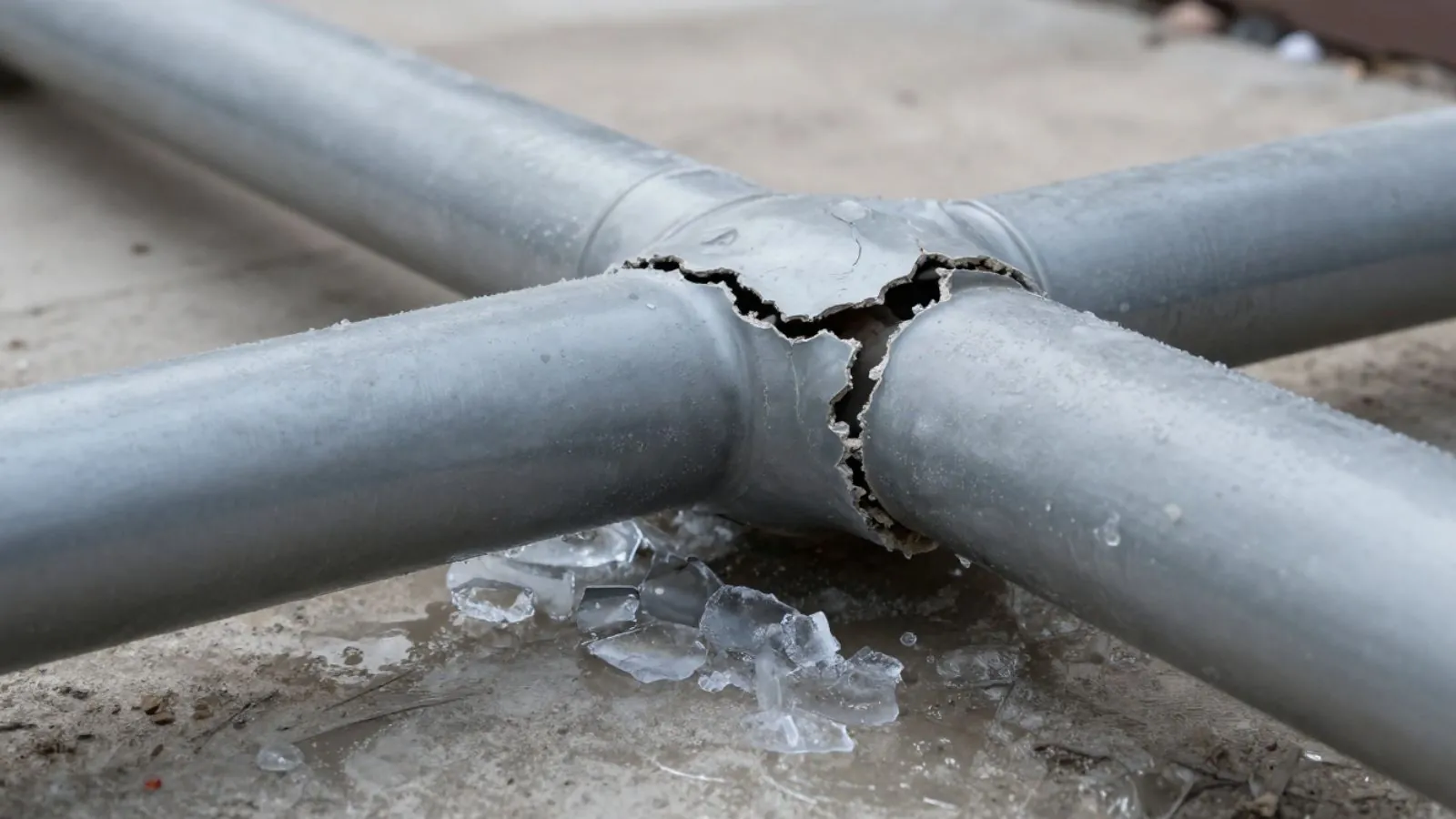
Most away-from-home water losses come from a handful of sources. Supply hoses on washers, water heaters, frozen pipes and ice maker lines top the list.
Pre-trip checklist by trip length
Match your steps to the length of your trip. This table gives a starting point.
| Trip length | What to do | Why |
|---|---|---|
| A weekend | Check under sinks, close washer valves | Quick check catches visible drips |
| One to two weeks | Add shutting off the main water valve | Removes pressure from every supply line |
| A month or more | Main valve off, water heater on vacation mode, someone checks weekly | Long gaps allow slow leaks to grow |
| Winter absence | Heat on at a safe setting, or drain the system | Prevents freezing and splitting |
Turn off the water at the main
Closing the main water valve is the single most effective step. With no pressure, a failed hose or fitting cannot flood the house. Find the valve before you leave and test that it turns.
If you cannot shut the main because of a sprinkler or a boiler that needs water, shut off individual valves behind the washer, the dishwasher and the toilets.
Water heater and appliances
Set the water heater to vacation mode or turn the gas or power to low for long trips. Replace rubber washer hoses with braided stainless ones, and turn the washer valves off. Check the dishwasher supply line and the refrigerator ice maker line before you go.
If an appliance is old, a trip is a good time to replace it. Our appliance leak water damage page shows how these leaks spread.
Winter steps that matter
Keep the heat on at a safe temperature and open cabinet doors under sinks on outside walls. Drain pipes in rooms you will not heat. Ask a neighbor to check the house after a hard freeze.
The Massachusetts Division of Insurance notes that frozen pipe damage is generally covered only when the home was heated and not left unoccupied. Read your policy for the exact wording and tell your insurer about long absences.
Sensors and automatic shutoffs
A water sensor placed behind the washer, under sinks and near the water heater sends an alert to your phone when it gets wet. An automatic shutoff valve closes the main when it detects flow that looks like a leak. Both cost less than a flooded kitchen.
Alerts only help if someone can act. Give a neighbor or relative a key and tell them where the main valve is.
Who should check on the house
Ask a trusted person to visit at set intervals, walk through every room and look in the basement. Have them check for damp smells, drips and warm or cold spots. They should know whom to call if they find water.
Leave the phone number of a plumber and our line, (508) 286-8971, with them. The line is open 24/7.
What to do if you come home to water
Shut off the main valve first, then stay away from wet outlets and the panel. Take photos and call your insurer. Then call us so wet materials can be dried before mold grows.
Our water extraction page explains how standing water comes out. The sooner the area is dry, the less to replace.
Gutters, grading and the outside of the house
Water damage while you are away does not always start inside. Clogged gutters send rain down the foundation wall, and soil that slopes toward the house pushes water into the basement. Clear gutters before a long trip and check that downspouts empty several feet from the wall.
Look at the sump pump too. Press the float to confirm it runs, and consider a battery backup if the power goes out during storms. A pump that fails while you are away can flood a finished basement.
Roof, windows and the attic
Look for loose shingles, cracked flashing and gaps around windows before you leave for a season. A small roof leak can run for weeks and soak insulation and ceilings. If you have an attic, look for stains or damp insulation.
Our ceiling water damage repair page explains how roof water travels once it gets in. A quick look before you go can save a lot of work later.
What to tell your insurer
Long absences can affect coverage. Some policies set conditions for homes left unoccupied for more than a set number of days. Ask your agent what counts as unoccupied and what you must do to stay covered.
Write down the answer and keep it. If a loss happens, your notes show you followed the rules you were given.
A simple one-page house sheet
Make a one-page sheet for whoever checks the house. List where the main valve, the electrical panel and the water heater are, and add the phone numbers of a plumber, an electrician and our line. Add the name of your insurer and your policy number.
Tape a copy inside a cabinet and send a copy to the person helping. In an emergency, a clear sheet saves minutes that matter.
Why time matters on a long trip
The ANSI/IICRC S500 standard for water damage restoration notes that damage grows with time, and an empty house means more time.
That is why an early alert or a closed main valve matters on a long trip.
Dartmouth timing and coast
Dartmouth has about 20 miles of shoreline and a coastal climate with cold winters and damp summers. Homes left empty in winter face freezing, and homes left empty in summer face humidity.
The town master plan lists flood-prone places such as Smith Neck Road and Little River Road. If you leave a home near one, prepare for storm water as well as leaks.
About 45 percent of southeastern Massachusetts homes were built before 1960, per SRPEDD. Older supply lines and valves fail more often, so check them before a long trip.
If your second home is nearby
Coastal towns nearby share these risks. See water damage restoration in Mattapoisett and water damage restoration in New Bedford for how local conditions affect water risk.
The checklist above works for any property, from a Dartmouth cape to a vacation cottage.
Questions Dartmouth homeowners ask
For short trips, yes. For long trips, turn it to vacation mode or off.
For trips longer than a few days, yes. It removes pressure from every line.
Keep the heat on at a safe temperature and open cabinet doors on exterior walls.
Many send alerts through wifi. Models with a local alarm still make noise at the house.
It may, but long absences can affect frozen pipe coverage. Check your policy.
A neighbor or relative who can check the home and shut off the water if needed.
Water still spreading?
Came home to water? Call the 24/7 line. We extract and dry, and we explain the scope before work starts.