Crawl Space Water Damage Cleanup in Dartmouth, MA
Standing water or a musty crawl space can wet joists, insulation and the floor above. We pump, dry and check the moisture. Line open 24/7.
Why crawl space water matters
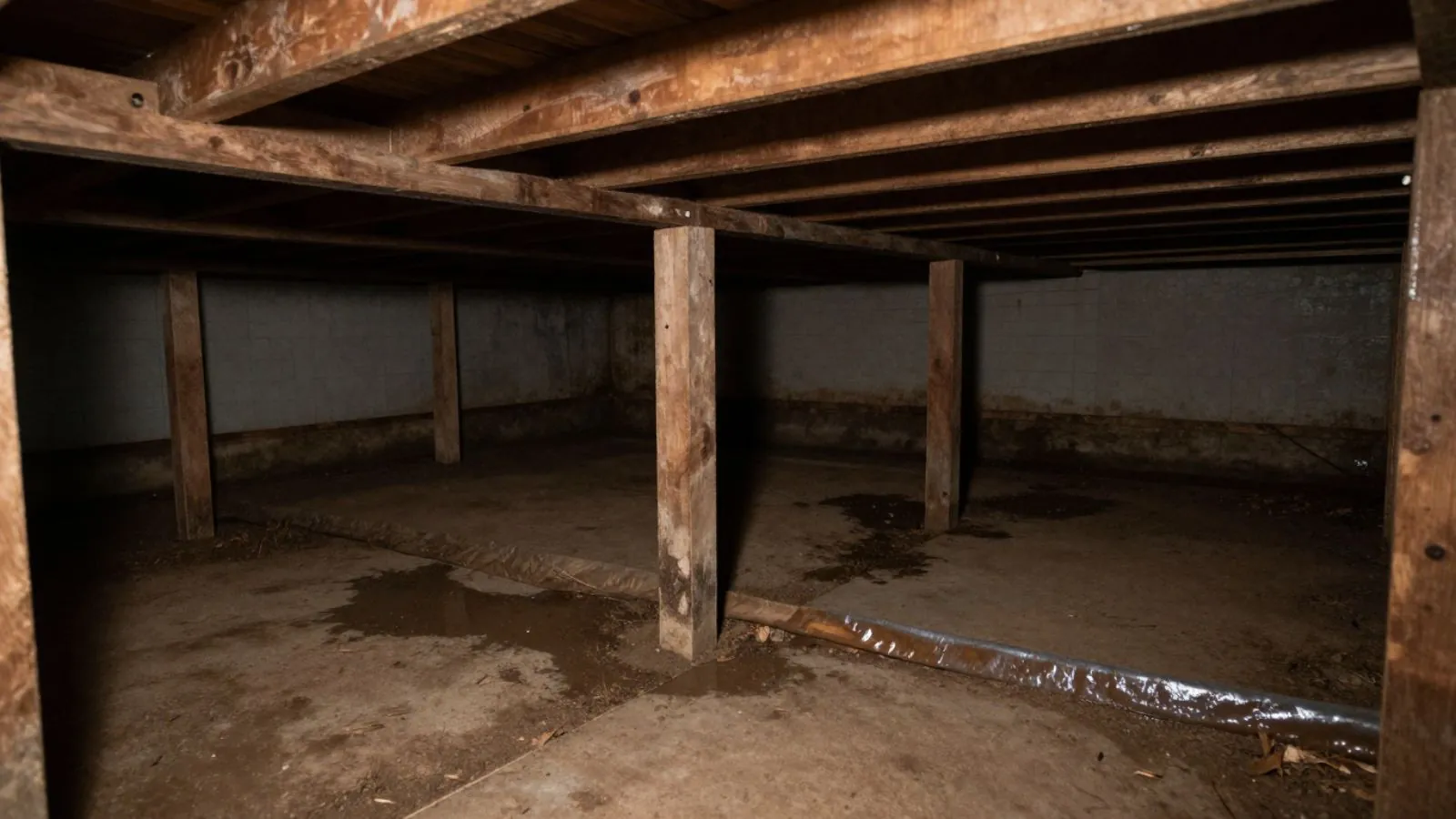
A crawl space looks out of sight, but it sits under your floors. Water here wets floor joists, subfloor and insulation, and the damp air can rise into the rooms above. Mold can grow on wood and insulation that stays wet.
The line at (508) 286-8971 is open 24/7. If you see standing water or a pipe spraying, shut off the main water valve before anyone enters.
How crawl spaces in Dartmouth take on water
Dartmouth sits on a coastal water table, and the town master plan lists flooding near brooks, culverts and low roads. A crawl space can flood from groundwater, a burst pipe, a failed drain or surface runoff that enters through vents. Dirt floors and older foundation walls are common in the older homes of the area.
The SRPEDD regional housing snapshot says about 45 percent of homes in southeastern Massachusetts were built before 1960, and older homes are likelier to have crawl spaces with limited vapor barriers. If you own such a home, check the crawl space after heavy rain.
Signs of crawl space water trouble
Look for these signs when you suspect crawl space water.
- A musty smell that rises through floors or vents.
- Cold or springy floors above the crawl space.
- Visible standing water, damp soil or wet insulation hanging down.
- Condensation on pipes or ducts.
- Gaps or soft spots in floorboards near exterior walls.
How crawl space water damage is handled
1Enter safely
Technicians check for electrical hazards and air quality, and use protective gear.
2Remove standing water
Small pumps and hoses clear the water out of the space.
3Remove wet material
Soaked insulation and loose debris are removed. Joists and subfloor are measured.
4Dry and monitor
Dehumidifiers and air movers dry the space. Readings confirm drying goals.
Cleanup is not encapsulation
We clean up water damage and dry the structure. Fixing the underlying drainage or sealing the crawl space is a separate trade, and a general contractor or crawl space specialist handles it. Ask any contractor what they include before you agree to the work.
Insurance usually covers sudden causes such as a burst pipe, while groundwater seepage often is not covered. Check your policy.
What we look at inside the space
Before any equipment goes in, we check the crawl space for standing water depth, soaked insulation, sagging vapor barrier and signs of pests or rot. Wood moisture readings on the joists tell us whether the framing can dry in place or needs a closer look from a contractor.
We also note where the water entered, because a burst pipe, a vent well that fills with rain and groundwater seepage each call for a different next step. A plumber, a landscaper or a drainage contractor may be needed after the drying is done.
Take photos from the access hatch before anyone goes in, and keep receipts for any repairs. Both help when you describe the loss to your insurer.
Safety before anyone crawls in
Never enter a wet crawl space if the lights, outlets or a sump pump are connected and the water is standing near them. Water and electricity together are a serious hazard, and the cramped space makes escape harder. If the panel is dry and reachable, turning off power to that area is safer than guessing.
Wet insulation can also hide sharp debris and slick surfaces. Call us from outside and let trained technicians with lights, boots and protective gear handle the entry.
Readings that guide crawl space drying
Drying a crawl space follows the ANSI/IICRC S500 standard for water damage restoration, including moisture readings on the joists and subfloor.
Those readings tell you whether wood can dry in place or needs a contractor to look closer.
What drives crawl space cost
Access and wet soil set much of the price. These factors drive it.
Water category
Groundwater and sewage add steps compared with clean supply water.
Area affected
The footprint of the space and how wet the soil is.
Materials involved
Insulation, joists, subfloor and any plastic sheeting.
Drying days and equipment
Crawl spaces dry slowly, with limited airflow.
Rebuild scope
Insulation replacement and any joist repair are separate.
Call (508) 286-8971 for your real number. We explain scope and price before work starts.
Crawl space wet?
Call the line, open 24/7. We respond the same day when we can.
Crawl space water damage questions
Water and damp wood can lead to mold and rot. We make no health claims, and dry conditions reduce the risk.
Yes, with small submersible pumps and hoses run outside.
No. We clean and dry after water damage. Sealing the space is a separate trade.
Insulation that sits in water or hangs wet usually has to be replaced.
Often several days, because airflow is limited. Readings decide.
Often for sudden pipe failures, rarely for groundwater seepage. Check your policy.