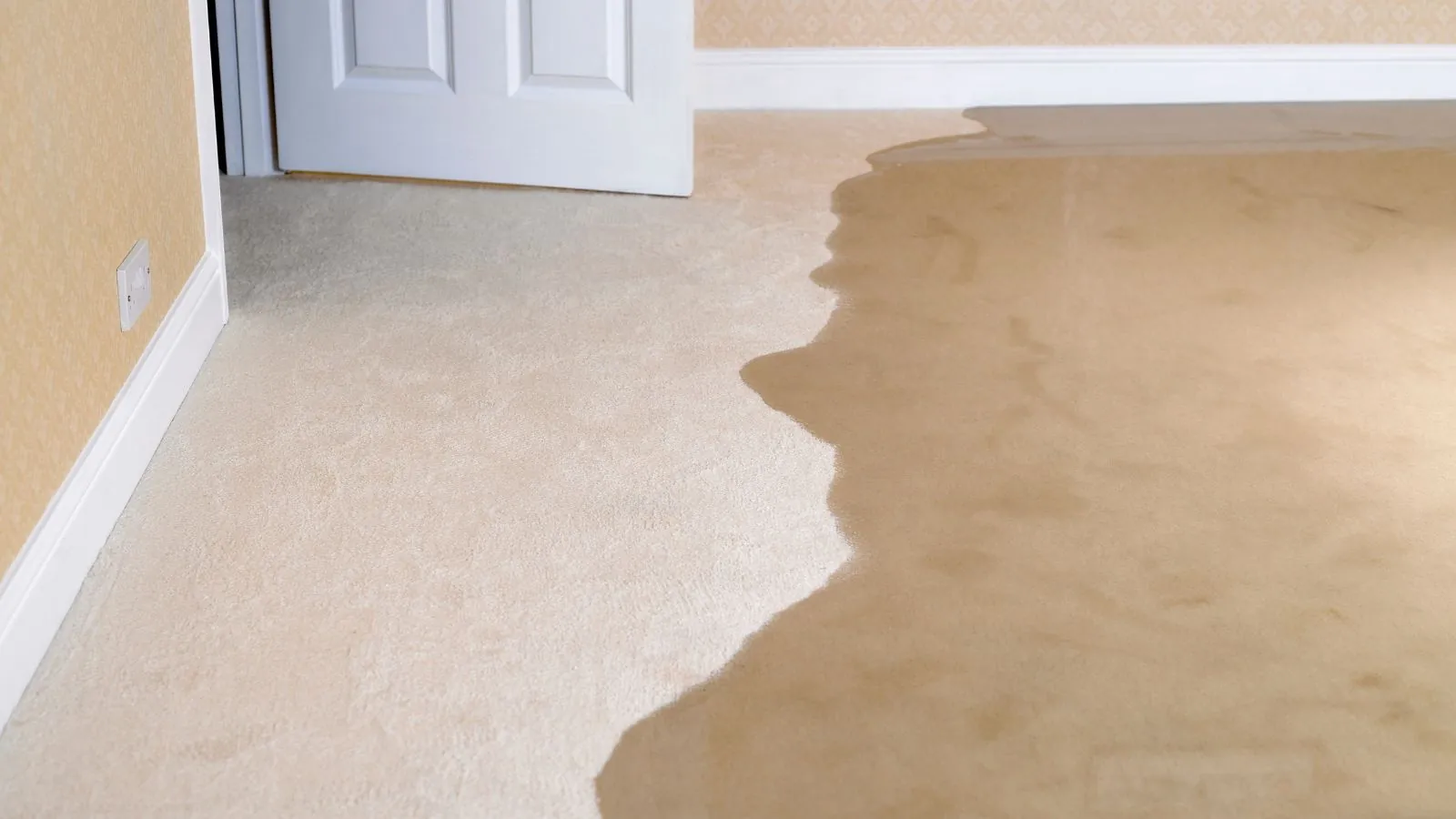
Carpet Water Damage Restoration in Dartmouth, MA
Soaked carpet is often fixable if the water was clean and drying starts early. We extract, check the pad and dry the floor. The line is open 24/7.
Can wet carpet be saved?
Often yes, when the water was clean and the carpet has not been wet for long. The deciding factors are the water category, how long the carpet stayed wet and what lies underneath. The line at (508) 286-8971 is open 24/7, and a quick call improves the odds.
Carpet itself dries fairly well. The pad underneath does not, because foam and rebond pad hold water and dry slowly. That is why technicians often lift the carpet, remove the pad and dry the subfloor separately.
Carpet water scenarios
The call on carpet depends on where the water came from. This table shows the usual outcomes.
| Water source | Carpet and pad | Usual call |
|---|---|---|
| Clean supply line, caught early | Carpet can be dried, pad often replaced | Extract, lift, dry, re-lay |
| Water sitting for several days | Higher risk of odor and mold | Remove pad, dry subfloor, assess carpet |
| Gray water from a washer or dishwasher | Carpet may need cleaning or removal | Case by case after assessment |
| Floodwater or sewage | Porous materials are usually removed | Removal and disposal, see flood damage cleanup |
Mold in carpet from water damage
Carpet that stays damp can grow mold on the backing and pad within a few days, and the smell often comes before anything shows. Mold needs moisture, so removing moisture is the first defense. If the carpet has a musty smell days after a leak, the pad and subfloor should be checked.
We make no health claims about mold. If growth is already present, see the mold remediation page for how that is handled.
How carpet water damage restoration works
1Extract the water
Weighted extraction wands pull water from carpet and pad. More passes remove more water.
2Lift and inspect
The carpet is pulled back from the tack strip at the edge to check the pad and subfloor.
3Remove the pad if needed
Wet pad is cut out and discarded. Carpet is dried separately or removed.
4Dry and check
Air movers and dehumidifiers run until readings meet drying goals, then the carpet is re-laid or replaced.
Carpet in lower levels and older homes
Finished lower levels with carpet over a slab are common in Dartmouth homes. A slab holds moisture, so carpet laid directly over concrete can stay damp after a basement leak. The basement water damage page covers what happens below, and carpet is one part of that job.
Check closets and edges, where water hides. Wet carpet under furniture gets missed often, and that is where odor starts.
What to do before help arrives
- Stop the water source and lift furniture off the carpet.
- Do not walk on soaked carpet more than you must, since it spreads water.
- Do not use a household vacuum on wet carpet.
- Open windows or run fans only if the water was clean.
Dry or discard: the category rule
The decision to dry or discard carpet follows the ANSI/IICRC S500 standard for water damage restoration, which links it to the water category.
Clean water caught fast can usually be dried, while contaminated water means removal.
What drives carpet restoration cost
Whether to save or replace carpet decides the price. These factors drive it.
Water category
Clean water leaves more options than gray or contaminated water.
Area affected
Square footage of wet carpet and how many rooms.
Materials involved
Carpet quality, pad type and the subfloor beneath.
Drying days and equipment
Thicker carpet and pad take longer.
Rebuild scope
New pad, re-stretching or replacing carpet is separate.
Sudden and accidental water damage is often covered by a homeowners policy, while flood is usually excluded. Check your policy and report the loss promptly. Want your number? Call (508) 286-8971.
Carpet soaked?
Call the line, open 24/7. We explain the scope and price before work starts and respond the same day when we can.
Carpet water damage questions
As fast as you can. Aim to start within the first day, because pad holds water and mold needs moisture.
A fan helps a damp patch, but it cannot dry pad and subfloor. For a soaked area, professional extraction and drying are far more effective.
Not if it is dried fully and the pad is handled correctly. A lingering odor often means moisture remains.
Often, because it holds water and dries slowly. Clean water caught early sometimes allows a different call.
It can, when the cause is sudden and accidental. Flood is usually excluded. Check your policy.
No. We do not rent equipment. We run the drying ourselves so readings and results are controlled.